
Your eyes are among the most complex and vital organs in your body. Regular care and specialist assessment can prevent vision loss, detect early signs of systemic disease, and dramatically improve your quality of life. In this guide, our consultant ophthalmologists walk you through everything you need to know about maintaining optimal eye health.
Why Eye Health Matters
Over 2 million people in the UK are living with sight loss, and many of these cases are preventable with early intervention. The eye is unique in that it provides a direct window into the health of your blood vessels and central nervous system — making a routine eye examination one of the most valuable health screenings available.
Conditions such as glaucoma, macular degeneration, and diabetic retinopathy frequently develop without any noticeable symptoms in their early stages. By the time vision changes become apparent, significant and irreversible damage may already have occurred. This is why proactive, regular eye assessments are essential — not just reactive care when something goes wrong.
What to Expect at a Consultant-Led Eye Examination
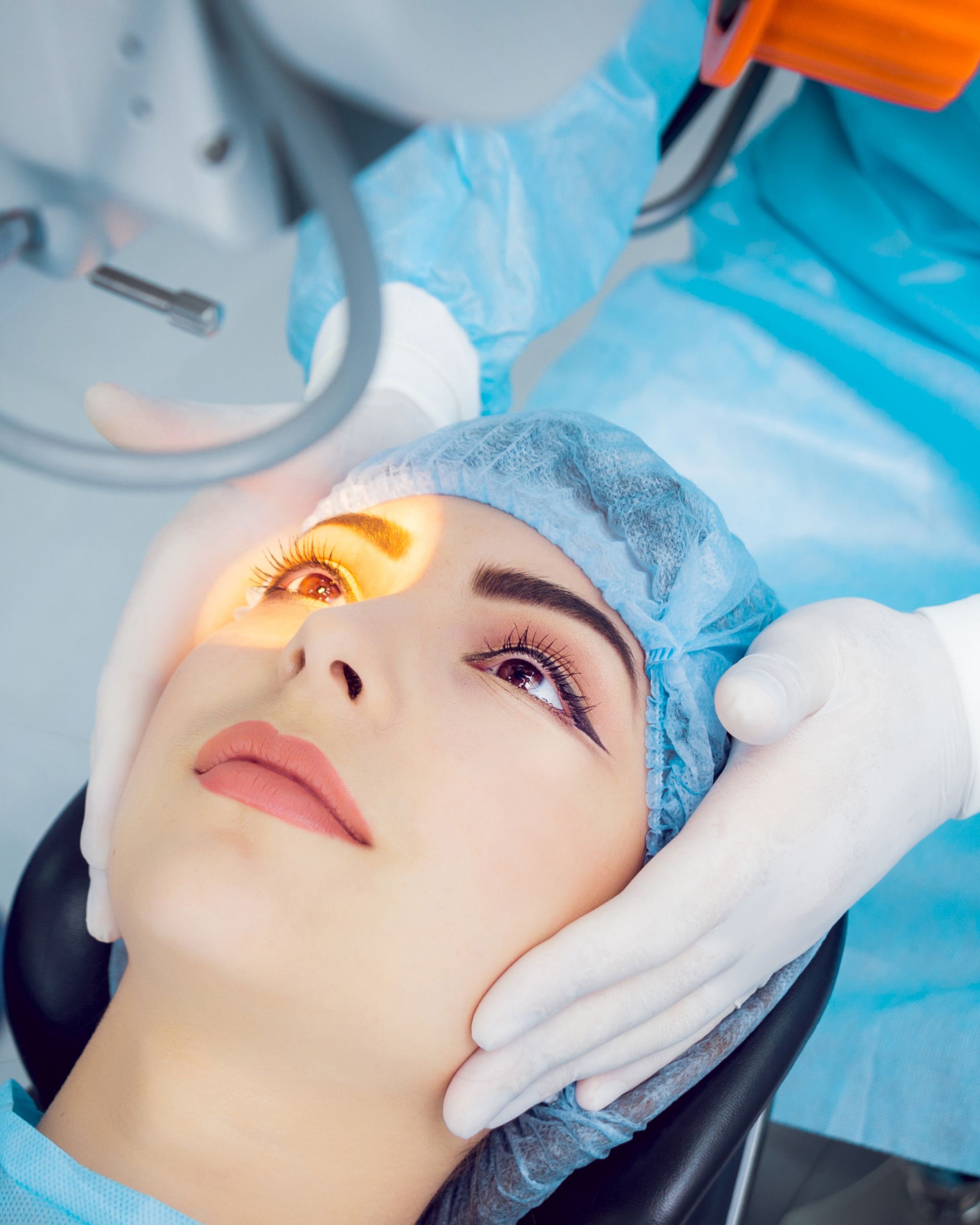
A consultant ophthalmologist appointment at The Eye Doctor goes well beyond a standard high-street optician check. Our assessments are led by GMC-registered specialists with subspecialty training in areas including cataract surgery, glaucoma, retinal disease, corneal disorders, and oculoplastic surgery.
During your initial consultation, you can expect the following:
- Comprehensive history-taking — your consultant will discuss your symptoms, family history, systemic health conditions, and current medications.
- Visual acuity assessment — measuring how clearly you can see at various distances using standardised charts.
- Intraocular pressure measurement — an essential screen for glaucoma, often performed with non-contact tonometry.
- Slit-lamp biomicroscopy — a magnified examination of the anterior segment of the eye, including the cornea, lens, and anterior chamber.
- Fundus examination — a dilated or undilated examination of the retina, optic disc, and macula.
- Advanced diagnostic imaging — OCT scans, corneal topography, or visual field testing where indicated.

See Clearly with Expert Eye Care
- Consultant-led assessments with state-of-the-art diagnostics.
- Personalised treatment plans for every patient.
- 20,000+ procedures performed across West Yorkshire.
Common Eye Conditions We Treat
The Eye Doctor provides consultant-led care for a broad spectrum of eye conditions, from common refractive errors to complex surgical cases.
Cataracts
A cataract is a clouding of the natural lens inside the eye, leading to blurred or dimmed vision, increased glare, and difficulty with contrast sensitivity. Cataract surgery is one of the most commonly performed surgical procedures in the world, with excellent outcomes. Modern techniques allow for simultaneous correction of existing refractive errors, reducing dependence on spectacles post-operatively.
Glaucoma
Glaucoma is characterised by progressive damage to the optic nerve, most commonly associated with elevated intraocular pressure. It is a leading cause of irreversible blindness worldwide, yet early detection and treatment can preserve vision effectively.
Age-Related Macular Degeneration (AMD)
AMD affects the central part of the retina responsible for detailed, central vision. The wet form of AMD can progress rapidly and requires prompt anti-VEGF injections to slow progression.
Dry Eye Disease
Dry eye is one of the most prevalent eye conditions, affecting millions of people across all age groups. Symptoms include persistent dryness, grittiness, burning, and paradoxically, episodes of watering.
Protecting Your Vision: Practical Steps
While genetics and age play a significant role in eye health, lifestyle factors have a meaningful impact. Here are evidence-based steps you can take to protect your vision:
- Schedule regular eye examinations — At minimum every two years for adults, or annually if you have risk factors such as diabetes, a family history of glaucoma, or existing refractive errors.
- Wear UV-protective eyewear — Prolonged UV exposure is associated with cataract formation and macular degeneration. Choose sunglasses with UV400 protection.
- Follow the 20-20-20 rule — When using digital screens, every 20 minutes look at something 20 feet away for at least 20 seconds to reduce digital eye strain.
- Maintain a healthy diet — Foods rich in lutein, zeaxanthin, omega-3 fatty acids, and vitamins C and E support retinal health.
- Do not smoke — Smoking significantly increases the risk of macular degeneration, cataracts, and optic nerve damage.
- Manage systemic health conditions — Good control of blood sugar and blood pressure is essential to preserving vision.
When to Seek Urgent Specialist Care
Some eye symptoms require prompt medical attention. Contact a specialist immediately if you experience any of the following:
- Sudden loss of vision in one or both eyes
- A sudden onset of floaters, flashes of light, or a curtain/shadow over your vision
- Severe eye pain, especially with nausea or vomiting
- Chemical or physical injury to the eye
- A red, painful eye with reduced vision
- Double vision of sudden onset
Taking the Next Step
Whether you are experiencing a specific concern or simply wish to establish a baseline of your eye health with a leading specialist, The Eye Doctor offers comprehensive, consultant-led assessments at our West Yorkshire clinics.
Our team of GMC-registered ophthalmologists provides a seamless pathway from initial consultation through to diagnosis, treatment, and long-term follow-up — all in a modern, patient-centred environment with access to the latest diagnostic technology.
Your Vision Deserves the Best Care
- GMC-registered ophthalmologists with subspecialty expertise.
- Advanced surgical techniques for lasting results.
- Transparent pricing with no hidden costs.
Conclusion
Eye health is not something to leave to chance. The conditions most likely to rob you of your sight — glaucoma, macular degeneration, diabetic retinopathy — typically develop silently, without warning, and cause irreversible damage long before symptoms appear. The single most effective thing you can do is to see a specialist regularly, even when your vision feels fine.
At The Eye Doctor, we are committed to providing the highest standard of consultant-led ophthalmology in West Yorkshire. From your very first appointment, you will receive a thorough, unhurried assessment from a GMC-registered specialist who will take the time to explain your results, answer your questions, and guide you towards the right treatment — whether that is monitoring, medical management, or surgery.
Clear vision transforms daily life. Whether you want to drive without glasses, read without strain, or simply ensure your eyes remain healthy for decades to come, our team is here to help you achieve that goal. Do not wait until something goes wrong — book your consultation today and take control of your eye health.