
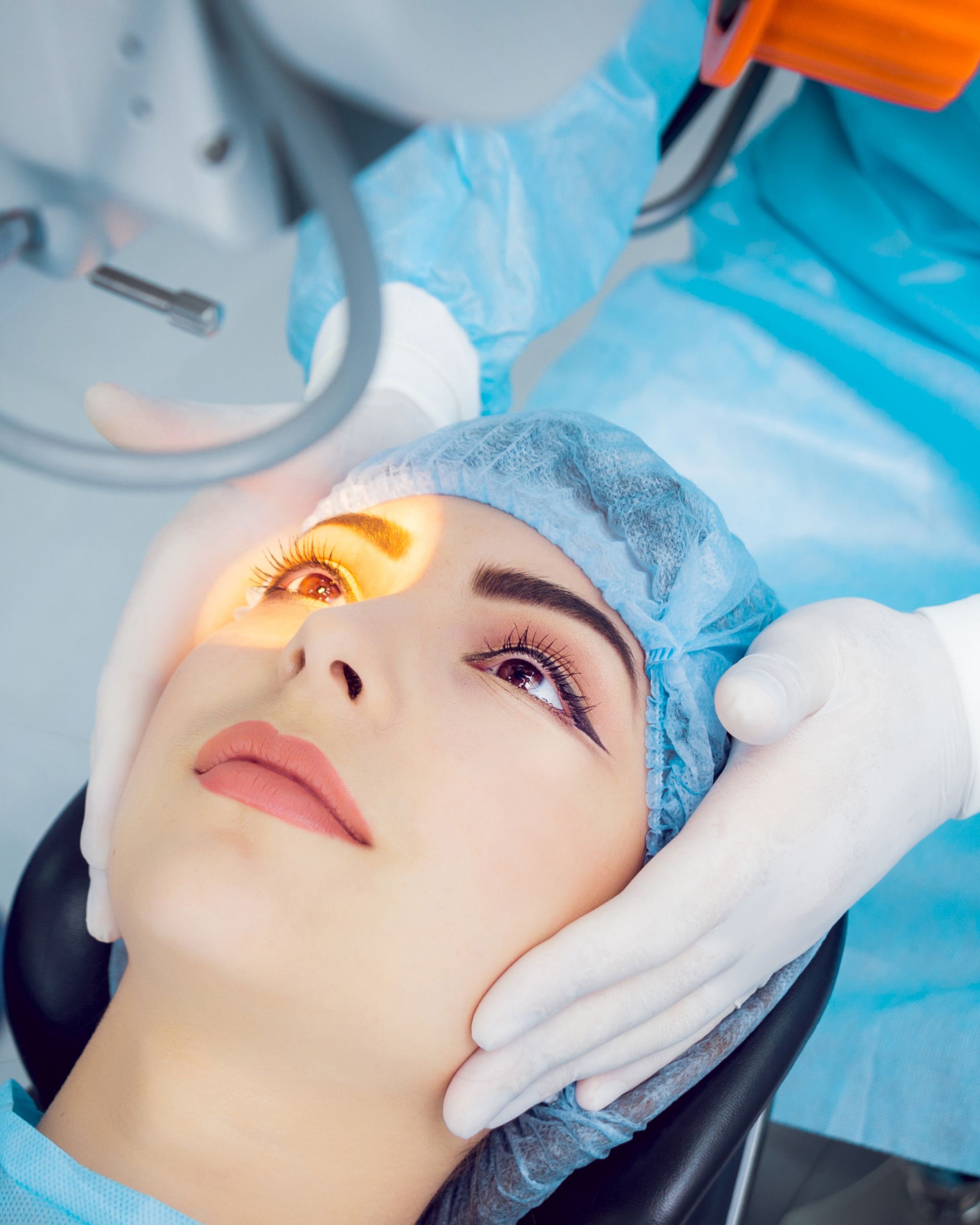
The main types of eye surgery to correct vision include popular laser procedures like LASIK and SMILE. Meanwhile, lens-based treatments are IOL, cataract surgery and refractive lens exchange. When exploring the best eye surgery to correct vision, specialists will first identify the exact cause of your blurry sight. Laser surgeries work by gently reshaping the eye's clear surface to fix short-sightedness, long-sightedness, and astigmatism.
Alternatively, if the natural lens has become cloudy with age, specialists perform cataract surgery using traditional ultrasound or advanced lasers to fully restore clarity. Your eyesight is precious, and understanding corrective eye surgery is the first step to taking care of it. This blog will explain different types of eye surgeries to help you choose the right one for your concern and anatomy.
What is Refractive Eye Surgery?
Before exploring the specific surgical options available today, know exactly how the human eye focuses light. Refractive eye surgery is a broad medical term for any highly advanced procedure designed to fix common focusing errors, helping you safely reduce your daily dependence on heavy glasses or contact lenses.
Common Refractive Errors
- Short-sightedness (Myopia): The eye is slightly too long from front to back, causing distant objects to look highly blurred.
- Long-sightedness (Hyperopia): The eye is slightly too short, meaning you struggle to clearly see objects close to your face.
- Astigmatism: The clear front window of the eye is shaped more like a rugby ball than a perfectly round football, distorting your vision at all distances.
- Presbyopia: The natural lens becomes stiffer with age, typically around 40 to 50 years old, making it very difficult to read small print.
How Eye Surgery Helps
- Restores Focus: Surgery permanently changes how light bends (refracts) inside the eye, so it lands perfectly on the retina.
- Provides Clarity: It gently reshapes the cornea or replaces the ageing lens to provide sharp, highly accurate daily vision.
- Removes Daily Hassles: It eliminates the frustrating morning routine of searching for lost glasses or cleaning delicate contact lenses.
- Reduces Infection Risks: It safely eliminates long-term hygiene risks and severe dry eye issues commonly associated with daily contact lens wear.

Tired of Relying on Heavy Glasses? Enhance Your Vision
- Expert ophthalmologists
- Personalised Consultation
- Advanced corrective procedures
Laser-Based Types of Corrective Eye Surgery
Laser eye surgery has transformed over the last thirty years, offering quick and accurate outcomes. Modern clinics use laser technology to gently reshape the clear front window of the eye, known as the cornea. These top treatments include:
LASIK (Laser-Assisted In Situ Keratomileusis)
LASIK is widely considered the most common and popular laser procedure performed globally today. During the surgery, a specialist creates a microscopic, protective flap on the cornea and uses a computer-controlled laser to gently reshape the tissue underneath before folding the flap back. Because the eye's surface is protected by this flap, most patients notice a brilliant improvement in their vision within just 24 hours. It safely corrects short-sightedness, long-sightedness, and astigmatism with fantastic visual results.
PRK and LASEK
Photorefractive keratectomy (PRK) and LASEK are brilliant, highly safe alternatives for patients who cannot undergo LASIK. Instead of creating a deep flap, the surgeon gently removes or loosens the very outer layer of protective cells before using the reshaping laser. While healing takes a few days longer as the surface cells regenerate, the long-term visual results are identical to those of LASIK. This makes it the preferred choice for individuals with naturally thin corneas or those who play heavy contact sports.
SMILE (Small Incision Lenticule Extraction)
SMILE is one of the newest, most minimally invasive laser techniques available today for correcting short-sightedness. A specialised laser creates a tiny, lens-shaped piece of tissue hidden deep within the cornea, which is then carefully removed through a microscopic opening. Vision stabilises very quickly, and because it requires such a small incision, it is incredibly gentle on the eye's delicate surface nerves. This significantly reduces dry eye discomfort, making it a highly requested modern procedure.
Cataract Surgery to Restore Clear Vision
As the body naturally ages, the clear lens inside the eye slowly becomes cloudy and stiff, causing bright colours to heavily fade and night vision to blur. Premium cataract surgery is a highly technical, completely life-changing procedure that safely removes this cloudy lens and restores a vibrant, clear world. Cataracts are very common and usually develop as a completely natural part of the ageing process. You might notice early symptoms like:
- Poor vision in low light
- Heavily faded colours
- Seeing glowing halos around streetlamps at night
- Typically not painful
They can be cured with non-lens treatments when at an early stage. These procedures include:
Phacoemulsification (Non-Laser Technique)
This is the standard and most common surgical technique used worldwide to safely remove a cataract. The eye surgeon uses a tiny, advanced ultrasound probe to gently break the cloudy cataract into microscopic fragments. These fragments are carefully suctioned out before a clear artificial lens is inserted. The painless procedure that takes just 15 to 30 minutes.
Laser-Assisted Cataract Surgery (LACS)
For those seeking enhanced precision, surgeons can also use advanced lasers during cataract removal. It is used to make the initial microscopic incisions and soften the cloudy cataract. This makes the cataract much easier to remove before the artificial lens is placed. It is very accurate and beneficial for patients with severe astigmatism.
Premium Intraocular Lenses (IOLs)
When undergoing cataract surgery, patients have the brilliant option to choose premium artificial lenses tailored to their exact daily lifestyle:
- Monofocal Lenses: Standard, highly reliable lenses that provide excellent distance vision, though reading glasses are usually still required for close-up tasks.
- Toric Lenses: Premium lenses specifically designed to safely correct astigmatism at the exact same time the cloudy cataract is removed.
- Multifocal Lenses: Highly advanced lenses that restore vibrant vision across all distances — near, intermediate, and far — often completely eliminating the need for reading glasses.
Treat Cloudy Eye Vision with Safe Cataract Surgery
- Premium lenses to restore colours
- Take a suitability self-test
- Reduce dependence on reading glasses
Lens-Based Vision Correction Alternatives
For severe conditions, lens-based surgeries are much more effective alternatives. These procedures involve safely placing a tiny, highly advanced artificial lens inside the eye to permanently correct your vision.
Refractive Lens Exchange (RLE)
Refractive Lens Exchange is almost completely identical to traditional cataract surgery, but it is performed before a cloudy cataract actually develops. The stiff natural lens is safely removed and replaced with a clear, synthetic implant to fix very severe short-sightedness or long-sightedness. This is often the perfect lifelong choice for patients over 45, as completely removing the natural lens prevents cataracts from forming in the future.
Phakic IOLs (Implantable Collamer Lenses)
Phakic intraocular lenses, such as the ICL, are a brilliant solution for younger adults with extreme short-sightedness who cannot have laser surgery. An artificial lens is placed safely inside the eye without removing your natural lens. It acts exactly like a permanent contact lens, sitting quietly behind the iris and providing incredibly sharp vision without permanently altering the cornea.
Duet Lens Procedure
The modern Duet procedure provides a highly adaptable solution for older adults seeking complete visual freedom. The natural lens is replaced with a permanent distance lens, followed by a special add-on trifocal lens placed just in front to restore reading vision. It brilliantly restores all ranges of vision, and the reading lens can be safely removed by a specialist later in life if your eye health naturally changes.
How Specialists Choose the Right Eye Surgery
Finding the best eye surgery to correct vision requires a detailed medical assessment. These are some factors a specialist considers before performing treatment:
Advanced Eye Mapping and Diagnostics
Before any procedure, doctors use computerised topography to meticulously map your eye's exact curvature and check your tear film. This deep diagnostic testing ensures your eye is perfectly healthy and guarantees the safest possible results.
Age and the Development of Presbyopia
Around age 40, the natural lens becomes stiff, making close-up reading incredibly difficult. Because standard lasers cannot stop this ageing process, specialists often recommend Refractive Lens Exchange to permanently restore full vision.
Corneal Thickness and Lifestyle Factors
Patients with naturally thin corneas or those who play heavy contact sports are usually directed toward PRK or SMILE rather than LASIK. This perfectly accommodates your physical eye structure and keeps your eyes completely safe.
Bottom Line
The various types of eye surgery to correct vision ensure you receive the right treatment for your concerns, given the organ's sensitivity. The quick laser procedure, like LASIK and SMILE, fixes short-sightedness, and a lens-based treatment like RLE corrects chronic refractive errors. Modern ophthalmology offers incredibly safe solutions.
Need premium Cataract Surgery in Yorkshire? Meet the experts at Eye Doctor clinic, providing highly advanced, personalised care with our wide range of eye solutions for both adults and older individuals. Confident journeys begin with better eyesight!
Frequently Asked Questions
1. What is the best eye surgery to correct vision?
There is no single best surgery option. It depends entirely on your prescription, corneal thickness, and age. Laser procedures are brilliant for younger patients, while lens replacement often suits those over 50.
2. Is LASIK surgery 100% safe?
Like all surgical procedures, there are incredibly small risks, but LASIK is widely considered highly safe and effective. Strict pre-surgery testing ensures only perfectly suitable candidates undergo the procedure.
3. Which is better, LASIK or PRK?
Both procedures provide the exact same brilliant visual results. LASIK offers a much faster recovery, while PRK is the safer, preferred choice for patients with naturally thin corneas.
4. Why no LASIK after 40?
You can still have LASIK safely after 40, but it cannot stop presbyopia, which is the natural stiffening of the eye's lens that causes age-related reading difficulties.