
Deep Sclerectomy in Huddersfield
Free yourself from the daily burden of eye drops and protect your precious sight with expert, consultant-led deep sclerectomy — a gentle, non-penetrating procedure that lowers intraocular pressure and eases strain on the optic nerve to prevent further damage to your vision.
Affiliations & As Seen In









Read About Our Happy Patients
What a great experience! Very reassuring and I am very grateful for the consultation from Dr Musa he was so helpful in helping me make a decision to proceed to having eye correction surgery. I have the upmost confidence in him and the team at the Eye Doctor Clinic, Huddersfield.
Lozza 747I had implants with Dr Musa ten years ago. It was the best thing I've ever done. They are brilliant. My sight both near and distant was very poor but since the op I've had no glasses no lenses and my sight has been super. It remains really good to this day. Thank you Dr Musa. Brilliant consultations and treatment for glaucoma since.
Kay FitbitI can highly recommend the Eye Doctor Clinic, and I am so pleased I went there. Dr Musa, Gemma and Jess are lovely. They are very knowledgeable and were able to answer all my questions. My vision following surgery is great, and not having to wear glasses is fantastic.
Carol PeelWhat is Deep Sclerectomy?
Glaucoma is often called the stealth thief of vision. It occurs when blocked drainage causes fluid to build up, silently increasing eye pressure and damaging your optic nerve without any early warning signs.
Deep sclerectomy is an advanced, gentle surgical procedure designed to lower this pressure safely. We carefully remove microscopic layers of tissue from the white of your eye (the sclera) to create a new drainage pathway so fluid can flow away freely.
Crucially, this is a non-penetrating procedure, meaning we never fully open the eye. By keeping the inner chamber sealed, we significantly reduce the risk of sudden pressure drops and complications — performing the absolute minimum intervention necessary to achieve your best possible, natural result.
Procedure Video
Coming SoonWhy Choose Deep Sclerectomy?
Glaucoma damage cannot be reversed, but surgery can stop it from getting any worse. You and your consultant may decide deep sclerectomy is the right step if you are dealing with any of the following:
How Does Deep Sclerectomy Work?
Deep sclerectomy is a precise, keyhole-style procedure that creates a new escape route for fluid without ever fully entering the eye. After we gently numb your eye with anaesthetic drops, your surgeon works on the surface wall of the eye to open up a slow, controlled drainage pathway. Most of the time it takes around half an hour to forty-five minutes, and you go home the same day.
Here Is What Happens, Step by Step
Anaesthetic Drops — Anaesthetic drops numb the eye so you stay completely comfortable.
Surface Flap Lifted — A thin surface flap is lifted in the white of the eye (the sclera).
Deep Layers Removed — Deep, fine layers of scleral tissue are carefully removed to thin the wall.
Fluid Filters Out — Fluid begins to filter out gently through the thinned tissue, easing the pressure.
Flap Repositioned — The surface flap is repositioned and secured with tiny stitches.
Home the Same Day — A protective shield is fitted, and you head home the same day.
Deep Sclerectomy at a Glance
Procedure Time
45–60 min
per eye
Anaesthetic
Local drops
Comfortable, with no needles
Downtime
7–14 days
Initial healing
Back to Work
1–3 days
2–4 weeks for physical roles
Result Duration
Long-term
Lasting pressure control
Deep Sclerectomy Cost
Enquire
For specialist pricing
Benefits of Deep Sclerectomy
Protect your precious sight from further permanent damage.
Lower internal eye pressure safely and effectively.
A gentler, non-penetrating technique that keeps complication risk to a minimum.
Reduce your dependence on daily eye drops and their side effects.
Reclaim your confidence in driving and getting around safely.
Fellowship-trained, consultant-led care in a calm, dedicated clinic.
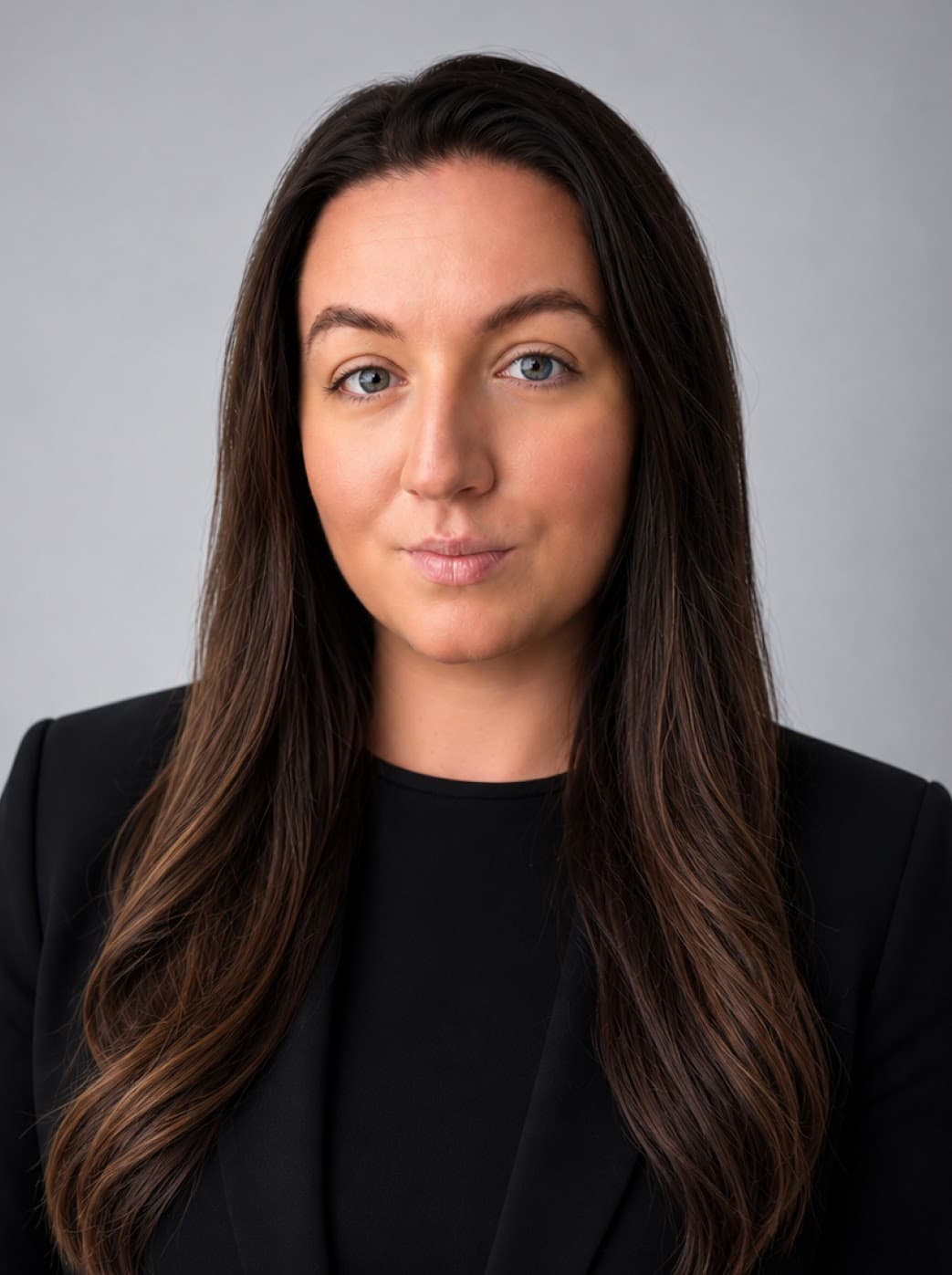
Mrs Indira Madgula
MS · DNB · FRCS (Glasgow) · FRCOphth (London)
Consultant Ophthalmic Surgeon & Glaucoma Specialist

Mrs Madgula is a Consultant Ophthalmic Surgeon and Glaucoma Specialist with an exceptional record in transforming glaucoma services, medical education, and international examining. Her pioneering work in shared care glaucoma received national recognition through a prestigious HSJ Award nomination, and she was the first trainee in the UK selected as an examiner for the Royal College of Ophthalmologists.
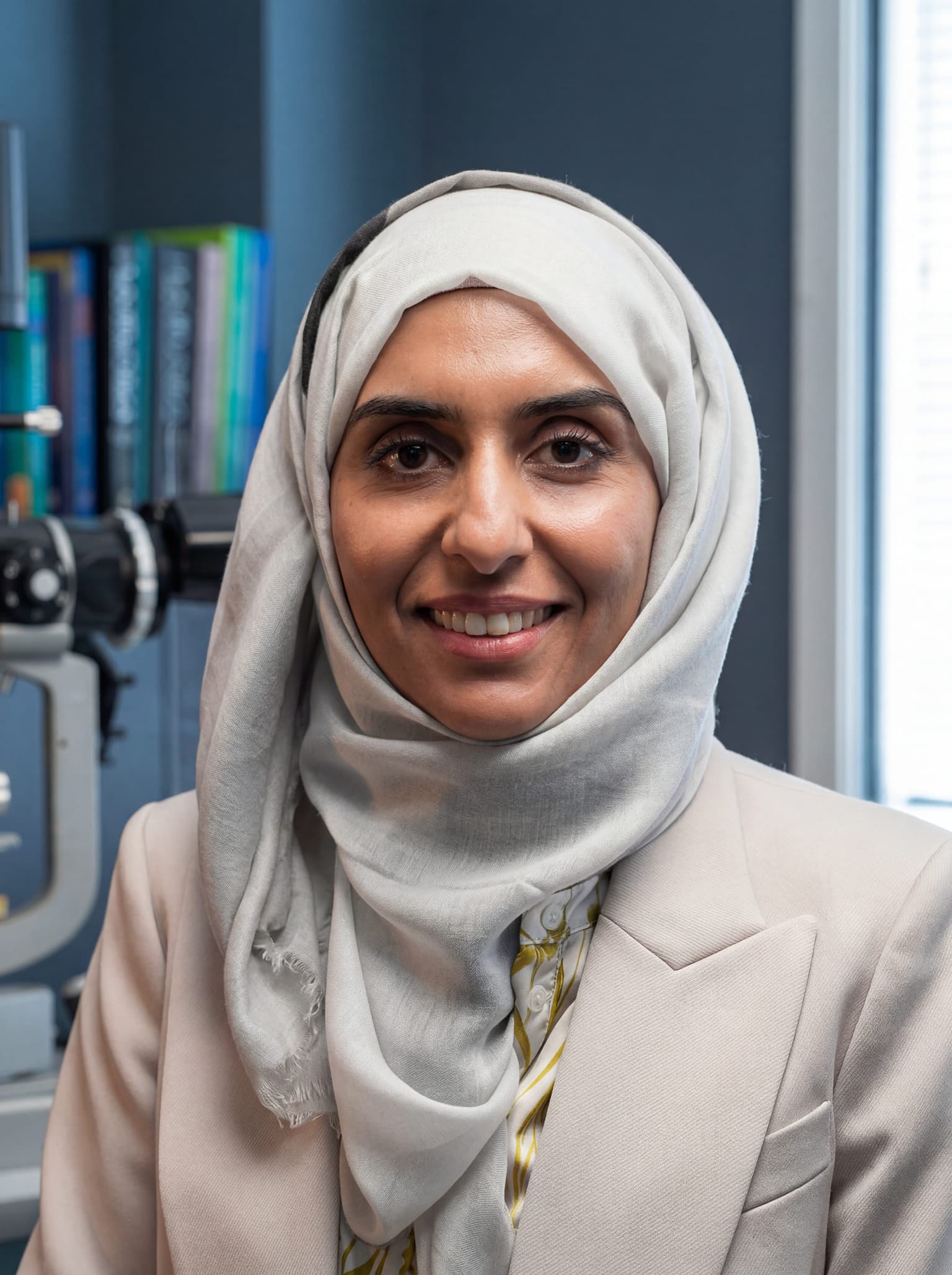
Dr Fayyaz Musa
MBChB (Edin) · FRCOphth (Lon) · CertLRS (RCOphth) · PGDipCRS
Founder & Consultant Corneal, Cataract & Glaucoma Surgeon
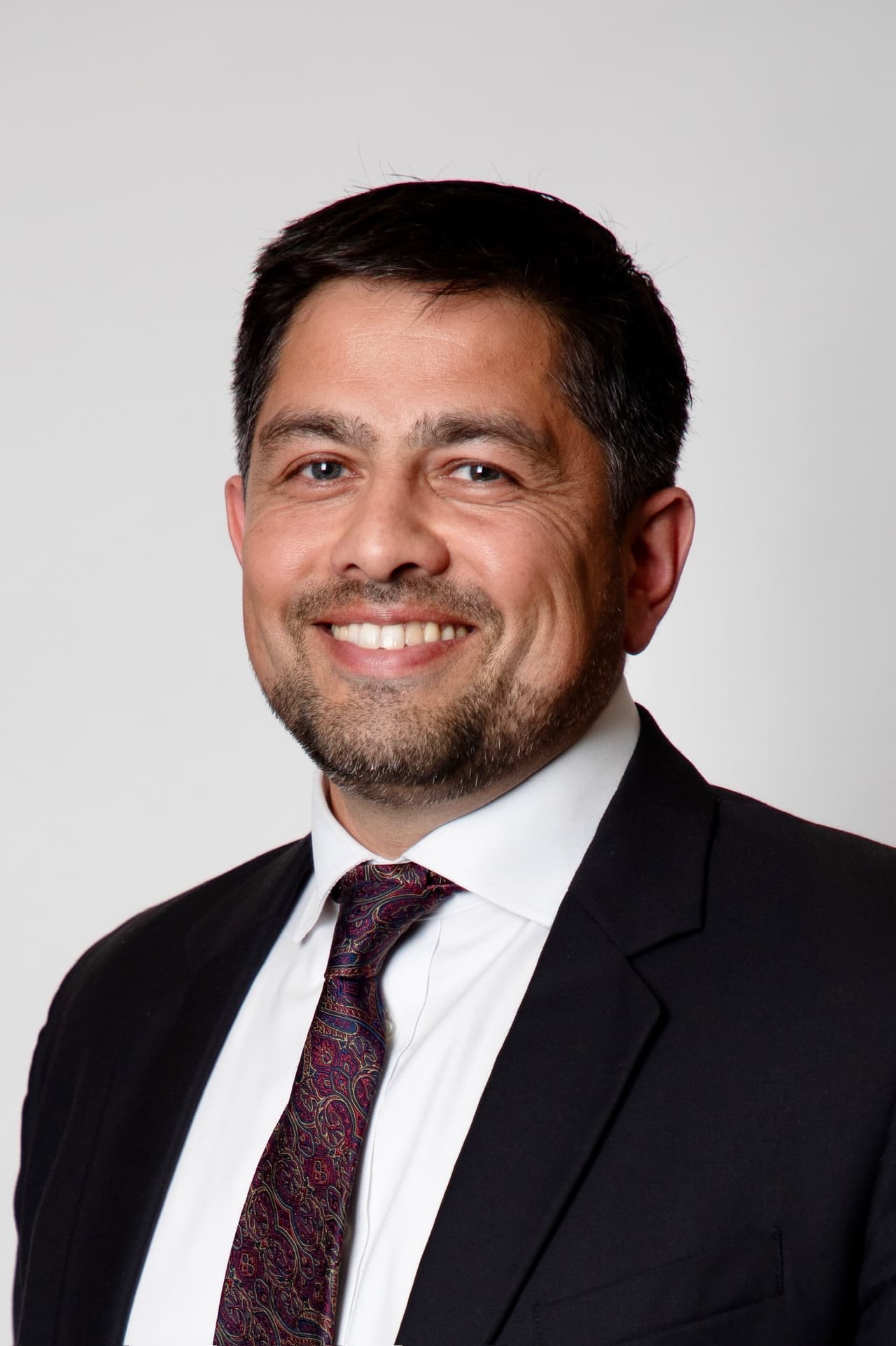
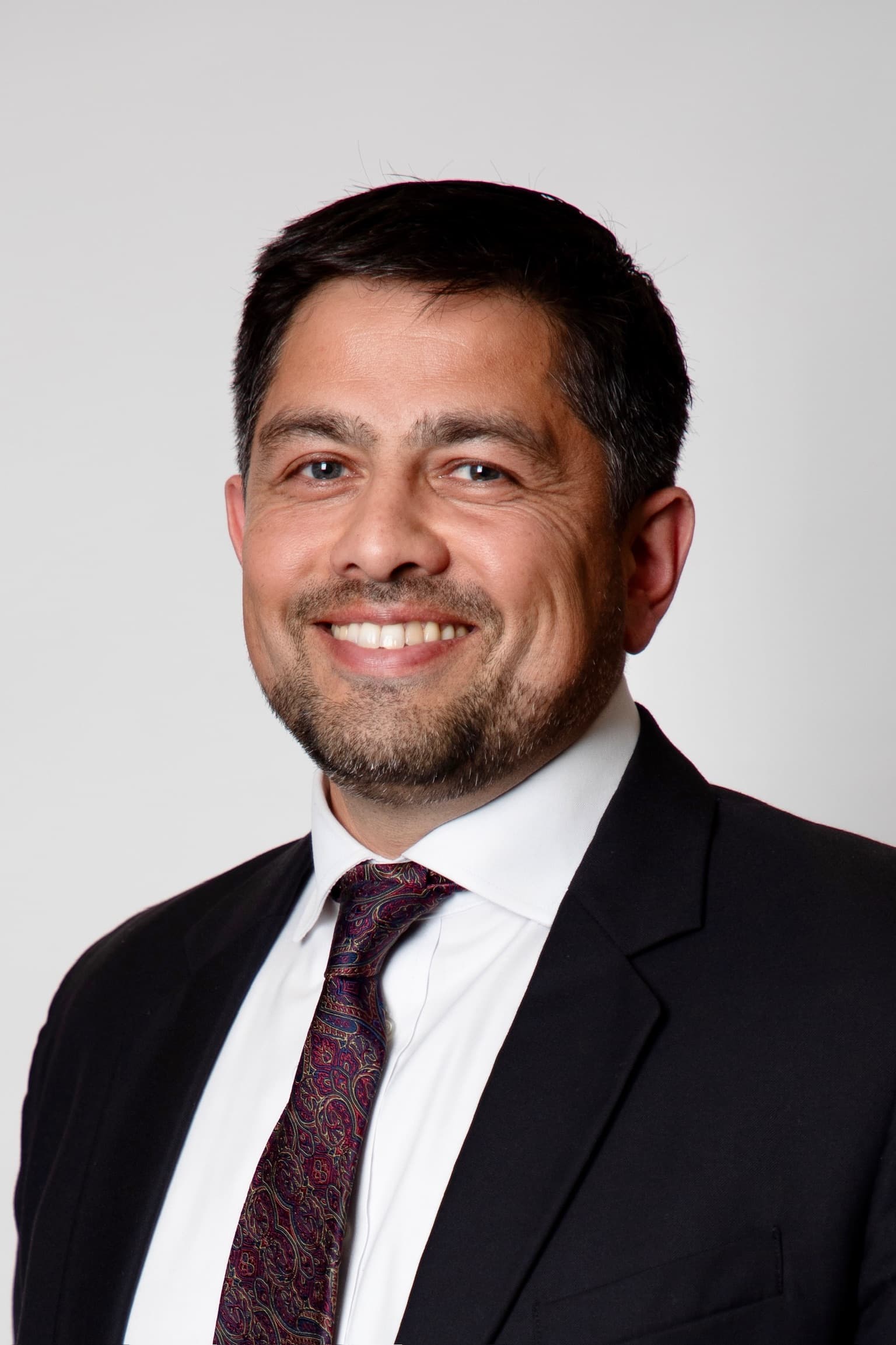
Dr Fayyaz Musa is the founder of The Eye Doctor Clinic and a recognised expert in anterior segment surgery. He is one of a small number of surgeons in the UK who holds dual fellowship training in both corneal disorders and glaucoma, and is the pioneer of DMEK surgery in the North of England. In cataract surgery, Dr Musa combines meticulous surgical technique with advanced biometry to deliver outstanding visual outcomes — including premium trifocal and toric lens implants for patients seeking full spectacle independence.
Deep Sclerectomy Consultation Process
We believe in a no-pressure approach and design your journey to be as smooth and transparent as the vision we aim to protect.
The Free Phone Assessment
Have a relaxed, 15-minute conversation with an expert to discuss your symptoms and determine if you are a candidate, all before you set foot in the clinic.
The Clinical Consultation
A comprehensive exam using advanced technology to map your eye pressure and nerve health. We will take as much time as you need to answer your questions and provide open and honest advice.
Your Treatment Day
We perform this surgery in our state-of-the-art operating theatre, with your comfort and safety as the priority throughout.
Dedicated Aftercare
You'll get an individualised care plan along with direct contact numbers to your surgical team, so your recovery is continuously monitored and supported.
Frequently Asked Questions
We establish suitability for surgery through clinical assessment. We may advise a procedure if eye drops cannot control your eye pressure or if your glaucoma worsens despite medical intervention. Your consultant surgeon performs intraocular pressure measurements, optic nerve assessments, and visual field tests.
Unlike trabeculectomy, it does not create a full-thickness opening into the eye, so pressure is lowered more gradually, avoiding the sudden pressure drops that can sometimes follow trabeculectomy.
Many patients find their pressure drops enough to reduce, or sometimes stop, their daily drops. Your consultant will tell you exactly what your eyes need after surgery and during your follow-up visits.
Deep sclerectomy is considered one of the gentler glaucoma operations because it is non-penetrating, which lowers the risk of certain complications compared with full-thickness surgery. As with any operation, there are some risks, and your consultant will discuss these with you in full.
Eye drop therapy and SLT are common methods used at first to lower the pressure in the eyes. However, when these methods fail to produce results, surgical procedures become the solution to prevent damage to your optic nerve. Your consultant will thoroughly brief you on the different types of surgery, such as trabeculectomy and MIGS.
Meet the Team

Where to Find Us
Three convenient locations across West Yorkshire. Visit us for consultations, diagnostics, and treatments.
Bolton
136 – 140 Newport St
Bolton, Greater Manchester
BL3 6AB
Huddersfield
Woodlands, 4 Longbow Close
Huddersfield, HD2 1GQ
Control Your Glaucoma with Specialised Deep Sclerectomy in Huddersfield!
Schedule an assessment with Dr Fayyaz Musa to create your tailored treatment journey. Your vision defines how you see the world — choose a specialist who offers the most advanced, gentle surgical techniques. Take control of your eye pressure now and make a confident decision for your long-term health.