
Lower Blepharoplasty in Huddersfield
If you struggle with heavy bags or puffy areas under your eyes that make your face look constantly tired, you are not alone. At The Eye Doctor Clinic, we provide precise, calm, and highly personalised care to smooth the under-eye area and restore your eyes to a natural, alert look.

Affiliations & As Seen In








Read About Our Happy Patients
What a great experience! Very reassuring and I am very grateful for the consultation from Dr Musa he was so helpful in helping me make a decision to proceed to having eye correction surgery. I have the upmost confidence in him and the team at the Eye Doctor Clinic, Huddersfield.
Lozza 747I had implants with Dr Musa ten years ago. It was the best thing I've ever done. They are brilliant. My sight both near and distant was very poor but since the op I've had no glasses no lenses and my sight has been super. It remains really good to this day. Thank you Dr Musa. Brilliant consultations and treatment for glaucoma since.
Kay FitbitI can highly recommend the Eye Doctor Clinic, and I am so pleased I went there. Dr Musa, Gemma and Jess are lovely. They are very knowledgeable and were able to answer all my questions. My vision following surgery is great, and not having to wear glasses is fantastic.
Carol PeelWhat is Lower Blepharoplasty?
Under-eye bags develop when the delicate skin beneath your eyes loses its firm structure due to age or genetics, and small fat pads push forward. When this tissue swells or falls, it creates a dark, tired appearance.
Lower blepharoplasty is a precise medical procedure designed to smooth the lower eyelid and gently remove or shift excess fat and loose skin. In simple terms, our surgeon makes a minute, hidden cut near your lash line to clear away the heavy tissue, which brightens your face and restores a fresh appearance.
Procedure Video
Coming SoonWhy choose Lower Blepharoplasty?
If left untreated, prominent under-eye bags can make your face look constantly exhausted, even when you feel fully rested. You may choose a lower eyelid lift if you experience:
Prof. Jeeva will assess your eyelids, related symptoms and the tissue health around your eyes to confirm if this surgery is the safest path forward for you.
How Does Lower Blepharoplasty Work?
Lower blepharoplasty is a highly advanced technique to restore the proper contour of your lower eyelids. Once we administer a local anaesthetic to numb the areas around your eyes for your absolute comfort, our specialist creates a minute, hidden incision either just below the lower lashes or inside the eyelid.
Then, the excess fat pockets are gently removed or shifted, and any loose skin is smoothed. The entire procedure takes roughly 45 to 90 minutes. Our expert's specific approach will ensure proper contour and protect your delicate eyes.
Lower Blepharoplasty at a Glance
Procedure Time
45–90 min
Per eye
Anaesthetic
Local
Comfortable and safe.
Downtime
7–14 days
For swelling to subside.
Back to Work
1–3 days
Longer for physical roles.
Results Duration
Long-term
Permanent correction.
Benefits of Lower Blepharoplasty
Relieve tiredness and stop the constant exhausted look caused by heavy under-eye bags
Restore appearance and return your eyes to a natural, bright, and alert look
Smooth your contour and clear away the puffy fat and loose skin below your eyes
Benefit from the meticulous expertise of our fellowship-trained surgeon
Experience safe and calm care in our modern, dedicated clinic
Long-lasting results that improve comfort and appearance
Lower Blepharoplasty Treatment Consultation Process
We believe in a no-pressure approach. Your journey with us is consultant-led from start to finish, designed to be as smooth and transparent as the vision we aim to restore.
The Free Phone Assessment
A relaxed, 15-minute conversation with our team to discuss your symptoms and determine if you are a candidate, all before you set foot in the clinic. Give us a ring to start the process.
The Clinical Consultation
A comprehensive exam mapping your eye and eyelid health. We take as much time as you need to answer your questions and provide open, honest advice on the right approach for you.
Your Treatment Day
A highly refined procedure typically takes 45-90 minutes. We use numbing drops and a minimum intervention approach while you relax in our care.
Dedicated Aftercare
You receive a personalised care plan and direct contact numbers for your surgical team, ensuring ongoing support as your eye heals.
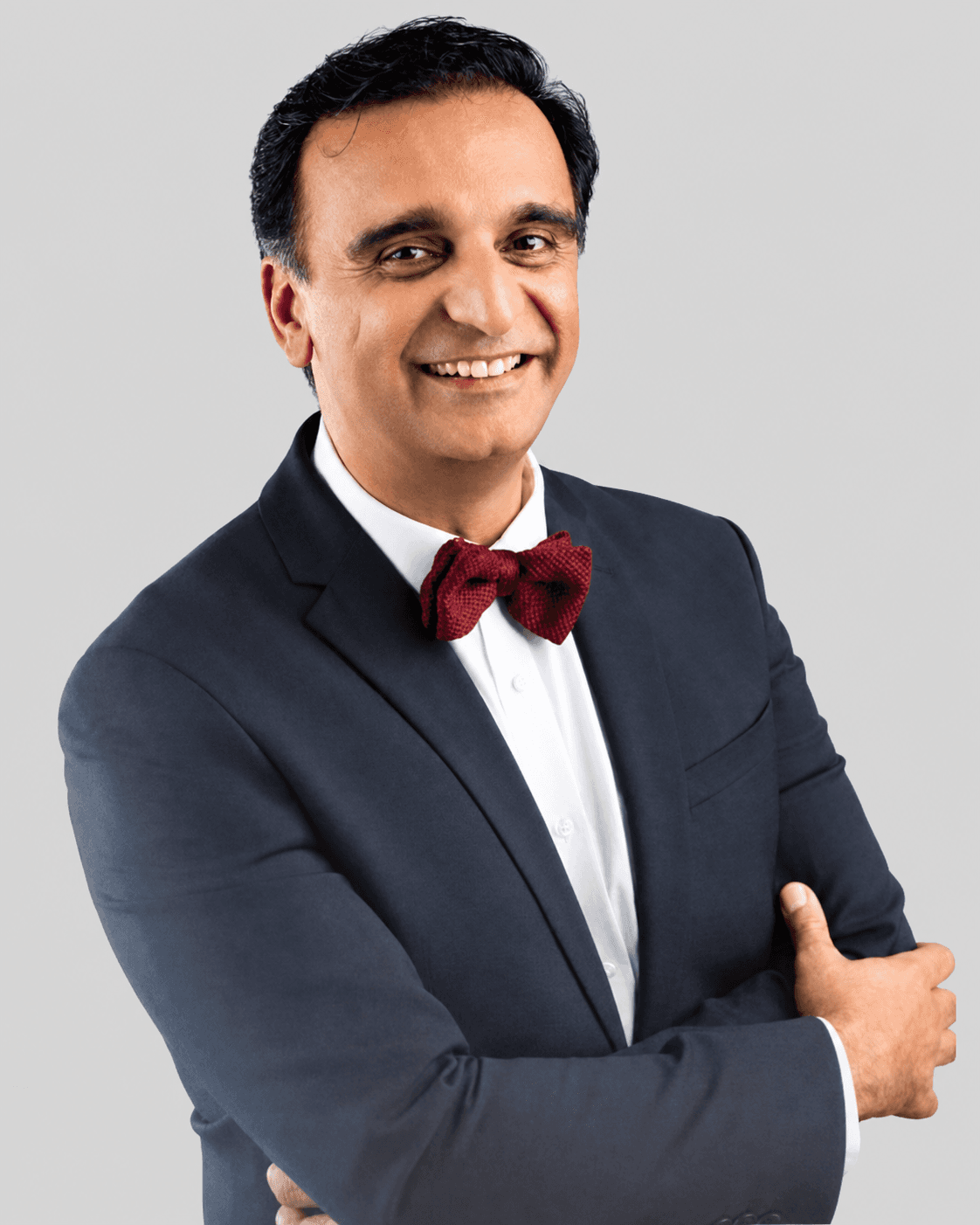
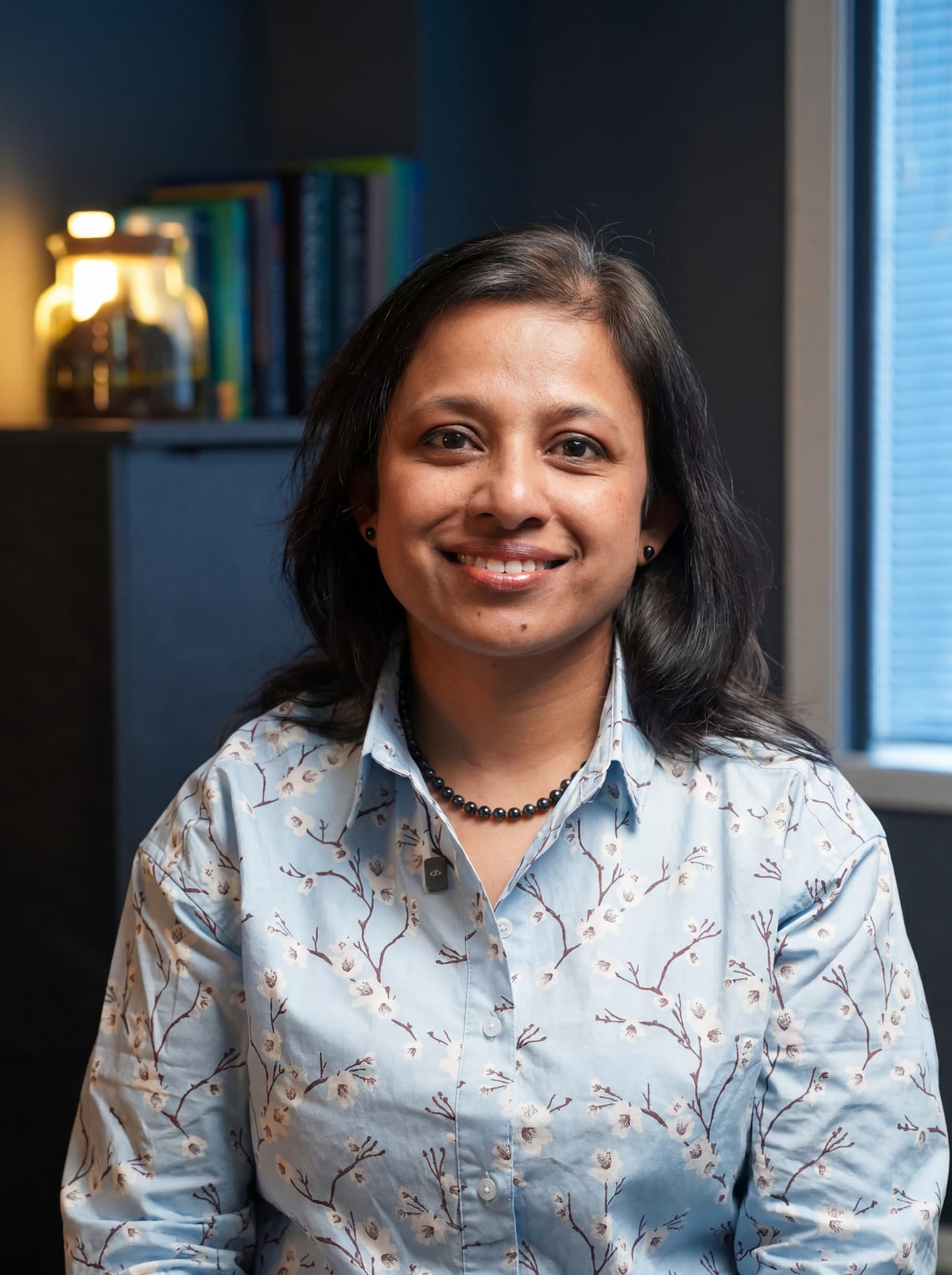
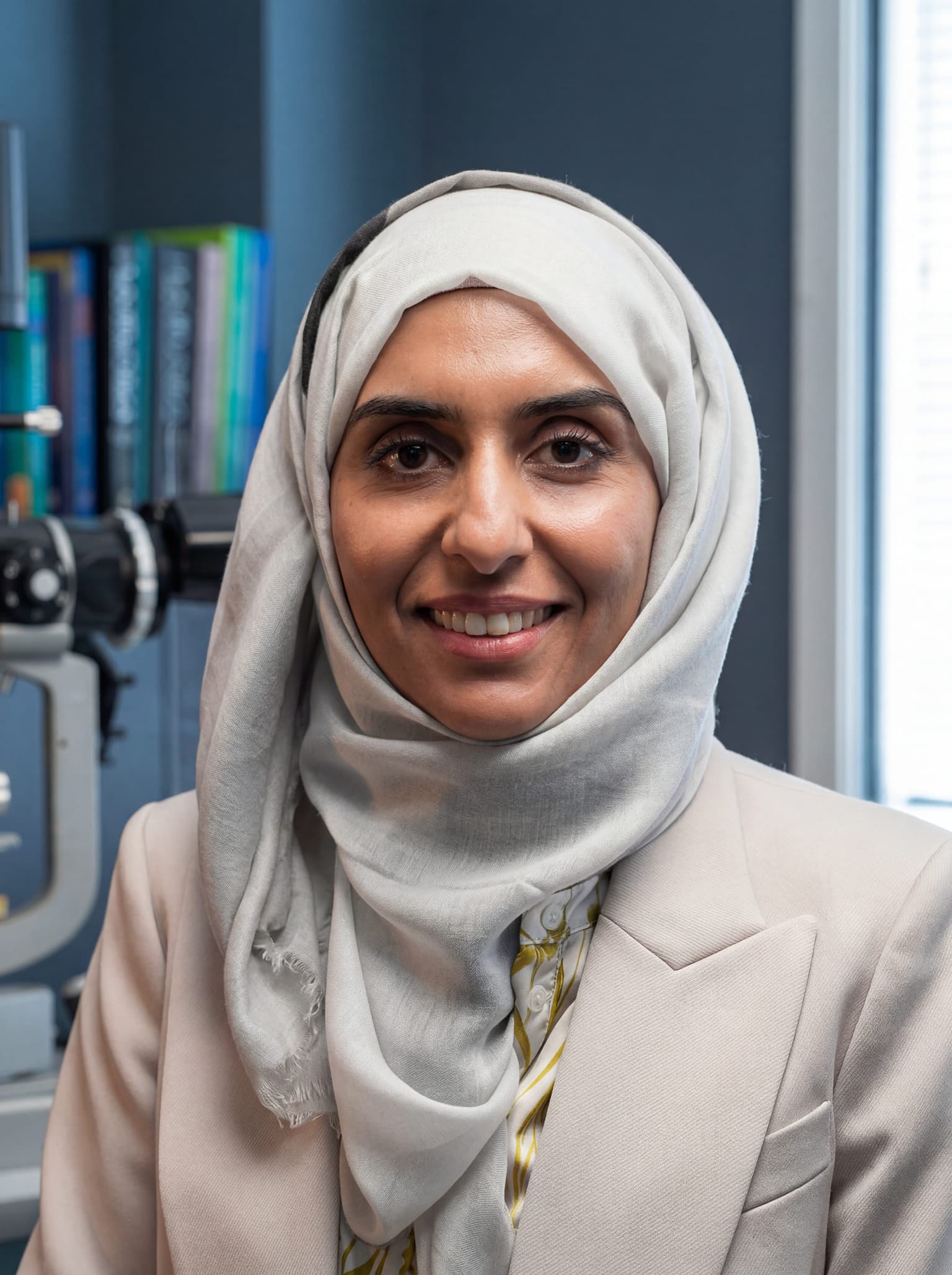
Prof. Irfan Jeeva
MBChB · FRCOphth · Professor of Ophthalmology
Professor of Ophthalmology & Consultant Ophthalmologist
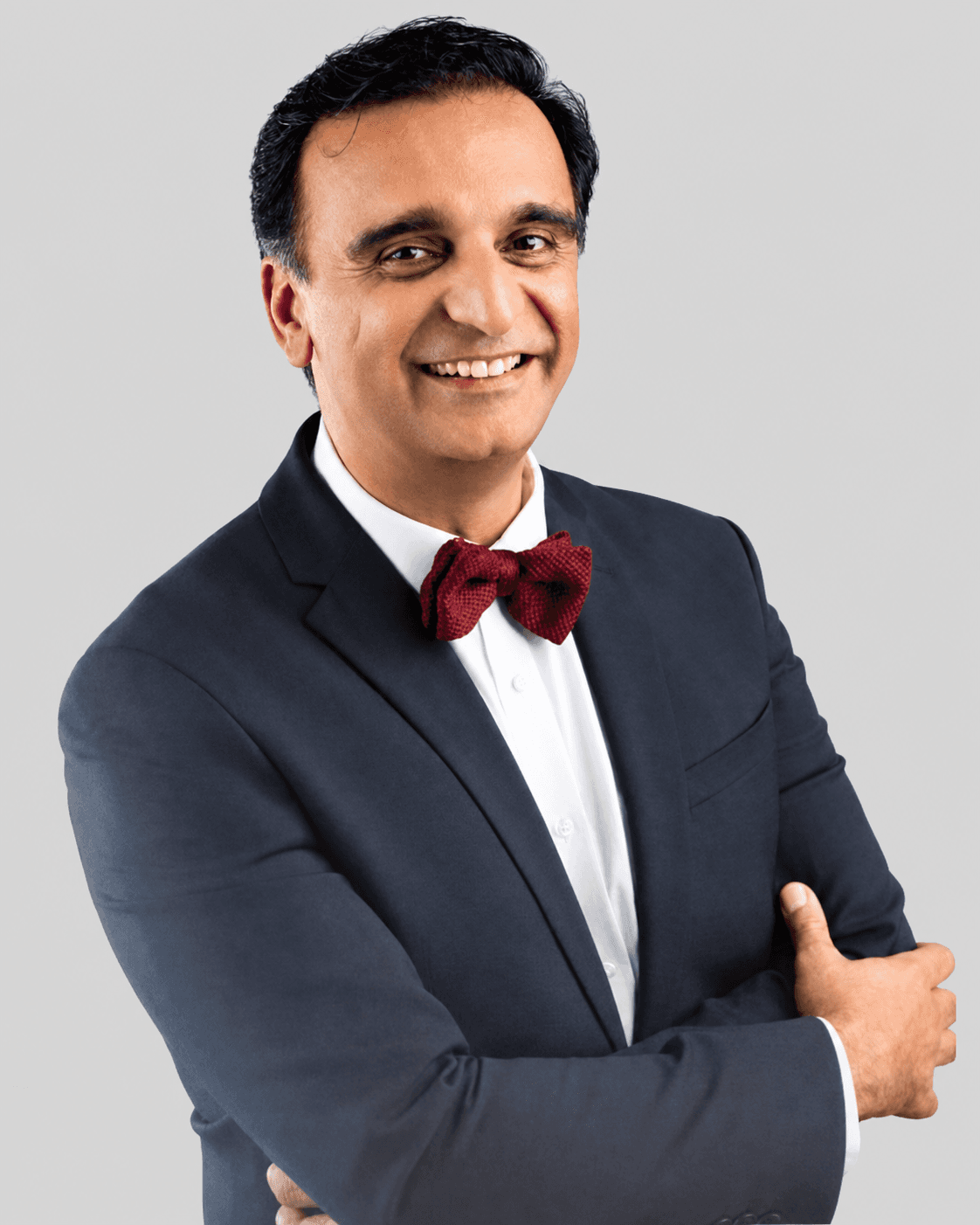
Prof. Irfan Jeeva is a Professor of Ophthalmology and Consultant Ophthalmologist with specialist expertise in oculoplastic and eyelid surgery and paediatric ophthalmology. He has extensive experience managing complex eyelid conditions, strabismus, and amblyopia, combining academic rigour with compassionate clinical care. Prof. Jeeva brings a wealth of knowledge from his academic and clinical career to deliver outstanding outcomes for patients of all ages.
Our Surgeons
Frequently Asked Questions
It typically develops as the delicate tissues around the eyes relax with age, allowing small fat pads to push forward, though it can also be caused by genetics.
Not at all. We gently numb your lower eyelids with a local anaesthetic to ensure you are entirely comfortable and pain-free from start to finish.
Dermal fillers can temporarily hide small hollows, but surgery is the definitive way to remove excess fat bags and smooth the skin long term.
While you can return to desk work in just a few days, full stability and the fading of any minor surgical marks can take several weeks.
Most patients return to desk work in 1-3 days. Strenuous activity and manual labour may require 2-4 weeks. Your consultant will confirm exactly when you are ready to resume your usual routine.
Where to Find Us
Three convenient locations across West Yorkshire. Visit us for consultations, diagnostics, and treatments.
Bolton
136 – 140 Newport St
Bolton, Greater Manchester
BL3 6AB
Huddersfield
Woodlands, 4 Longbow Close
Huddersfield, HD2 1GQ
Take the first step to restore your comfort
Do not wait any longer to take control of your eye health and your life. Our expert team at The Eye Doctor Clinic in Huddersfield is ready to help you.