
Pterygium Surgery in Huddersfield
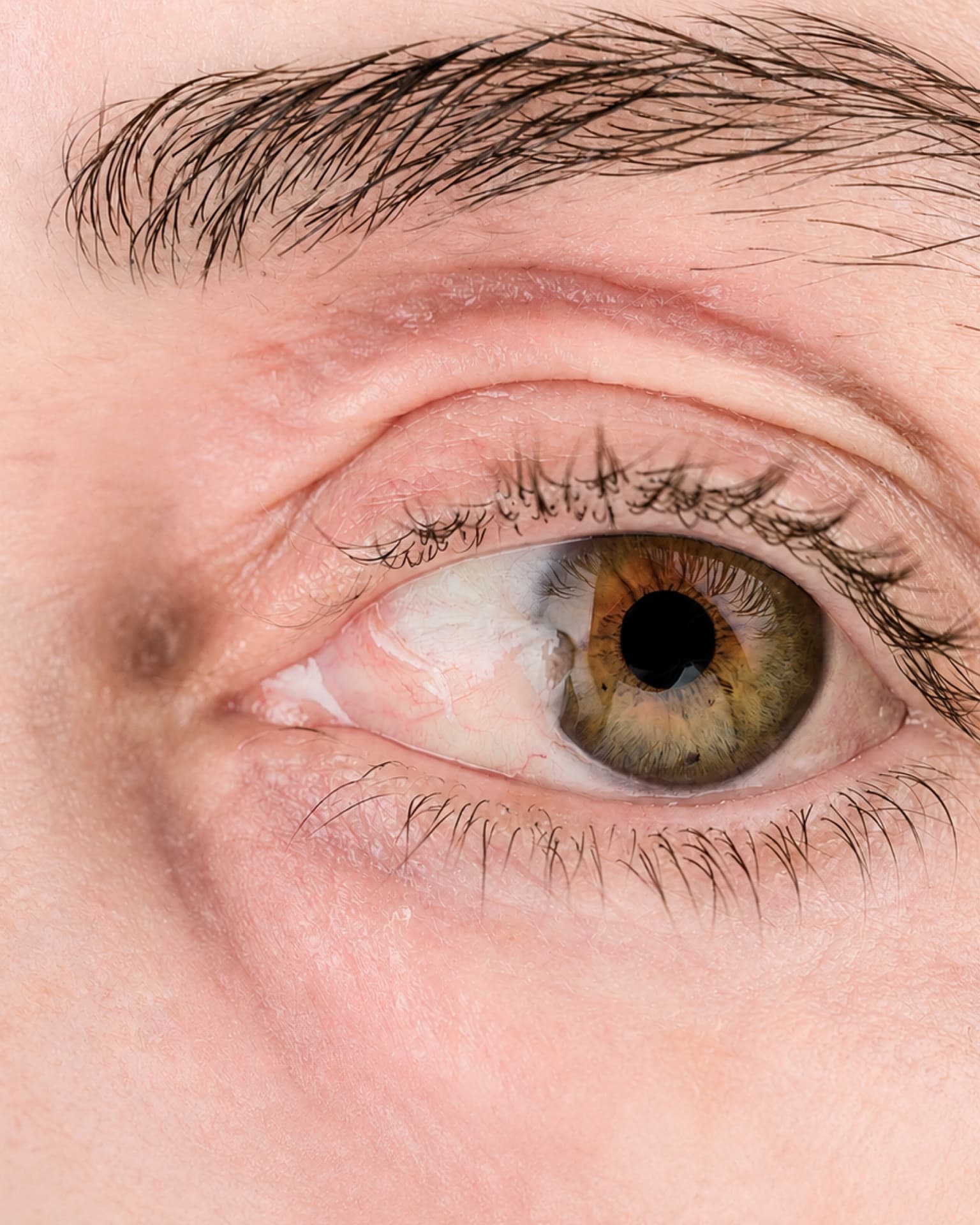
A fleshy, wedge-shaped growth across the white of your eye may be a pterygium, or surfer's eye. It can cause redness, a gritty feeling, and blurred vision if left untreated. At The Eye Doctor Clinic, Dr Fayyaz Musa provides precise, personalised care to safely remove it and restore your eye's comfort.
Affiliations & As Seen In




Read About Our Happy Patients
What a great experience! Very reassuring and I am very grateful for the consultation from Dr Musa he was so helpful in helping me make a decision to proceed to having eye correction surgery. I have the upmost confidence in him and the team at the Eye Doctor Clinic, Huddersfield.
Lozza 747I had implants with Dr Musa ten years ago. It was the best thing I've ever done. They are brilliant. My sight both near and distant was very poor but since the op I've had no glasses no lenses and my sight has been super. It remains really good to this day. Thank you Dr Musa. Brilliant consultations and treatment for glaucoma since.
Kay FitbitI can highly recommend the Eye Doctor Clinic, and I am so pleased I went there. Dr Musa, Gemma and Jess are lovely. They are very knowledgeable and were able to answer all my questions. My vision following surgery is great, and not having to wear glasses is fantastic.
Carol PeelWhat is Pterygium Surgery?
A pterygium usually develops from long-term exposure to ultraviolet (UV) light from the sun, as well as wind and dust. While lubricating drops can often manage small growths, larger growths that threaten your vision or cause severe discomfort require a specialist procedure for removal.
During pterygium surgery, the surgeon carefully removes the abnormal tissue from the surface of your eye. To significantly minimise the risk of the growth returning, our surgeons use a brilliant, advanced technique called a conjunctival autograft. The surgeon transfers a small piece of healthy tissue from beneath your upper eyelid to the area where the pterygium was removed.
Procedure Video
Coming SoonPterygium Surgery at a Glance
Procedure Time
30 Minutes
per eye
Anaesthetic
Local Anaesthetic
numbing drops, you stay awake
Location
Nasal Side
the most common site on the eye
Downtime
7 to 14 Days
for swelling and bruising to settle
Results Duration
Long Term
lasting removal of the growth
Treatment Cost
On Request
personalised, all-inclusive pricing
Why Choose Pterygium Surgery?
A pterygium rarely disappears on its own, and once it reaches the cornea, it can change the shape of your eye and blur your sight. You might consider treatment if you're dealing with:
Dr Musa will examine your eye, measure the growth and check the health of your cornea to confirm whether surgery is the safest next step for you.
How Does Pterygium Surgery Work?
Pterygium surgery is a precise, day-case procedure. First, we numb your eye with local anaesthetic drops, so you stay completely comfortable and feel little more than gentle pressure. Our surgeon then carefully removes the pterygium from your cornea and the white of your eye.
To prevent recurrence of the problem, we offer a sophisticated treatment option known as a conjunctival autograft. During the procedure, the surgeon harvests a small portion of your healthy conjunctival tissue, which is then carefully placed on the bare spot and attached with tissue glue, not stitches, to ensure comfort during healing. It's a quick procedure, and each eye takes only 30 to 45 minutes.
This careful, modern approach removes the growth, lowers the chance of it coming back and helps your eye settle into a clear, healthy appearance.
Benefits of Pterygium Surgery
Protect Your Sight
Stop the growth distorting your cornea and blurring your vision.
End the Irritation
Say goodbye to the gritty, dry, burning feeling.
Restore Your Appearance
Clear away the redness and fleshy tissue.
Low Recurrence Rate
The modern autograft technique keeps it from coming back.
Comfortable Day Case
Local anaesthetic and home the same day.
Pterygium Surgery Consultation Process
We believe in a no-pressure approach. We design your journey to feel smooth and clear while helping protect your vision.
The Free Phone Assessment
Start with a relaxed, 15-minute chat with our team to talk through your symptoms and find out whether you're a likely candidate, all before you set foot in the clinic.
The Clinical Consultation
Next, you'll come in for a thorough exam. We use advanced technology to map the health of your eye, measure the size of the growth and check how it's affecting your cornea. We take all the time you need to answer your questions and give honest advice.
Your Treatment Day
Your surgical treatment will be a fast, day-case procedure taking approximately 30 to 45 minutes. It is performed under local anaesthetic using the most delicate technique, while you remain comfortably relaxed in our hands.
Dedicated Aftercare
You'll go home with a personalised care plan and a course of antibiotic and anti-inflammatory eye drops to help you heal and prevent infection. It's normal for your eye to feel scratchy and look red for a week or two while it settles.
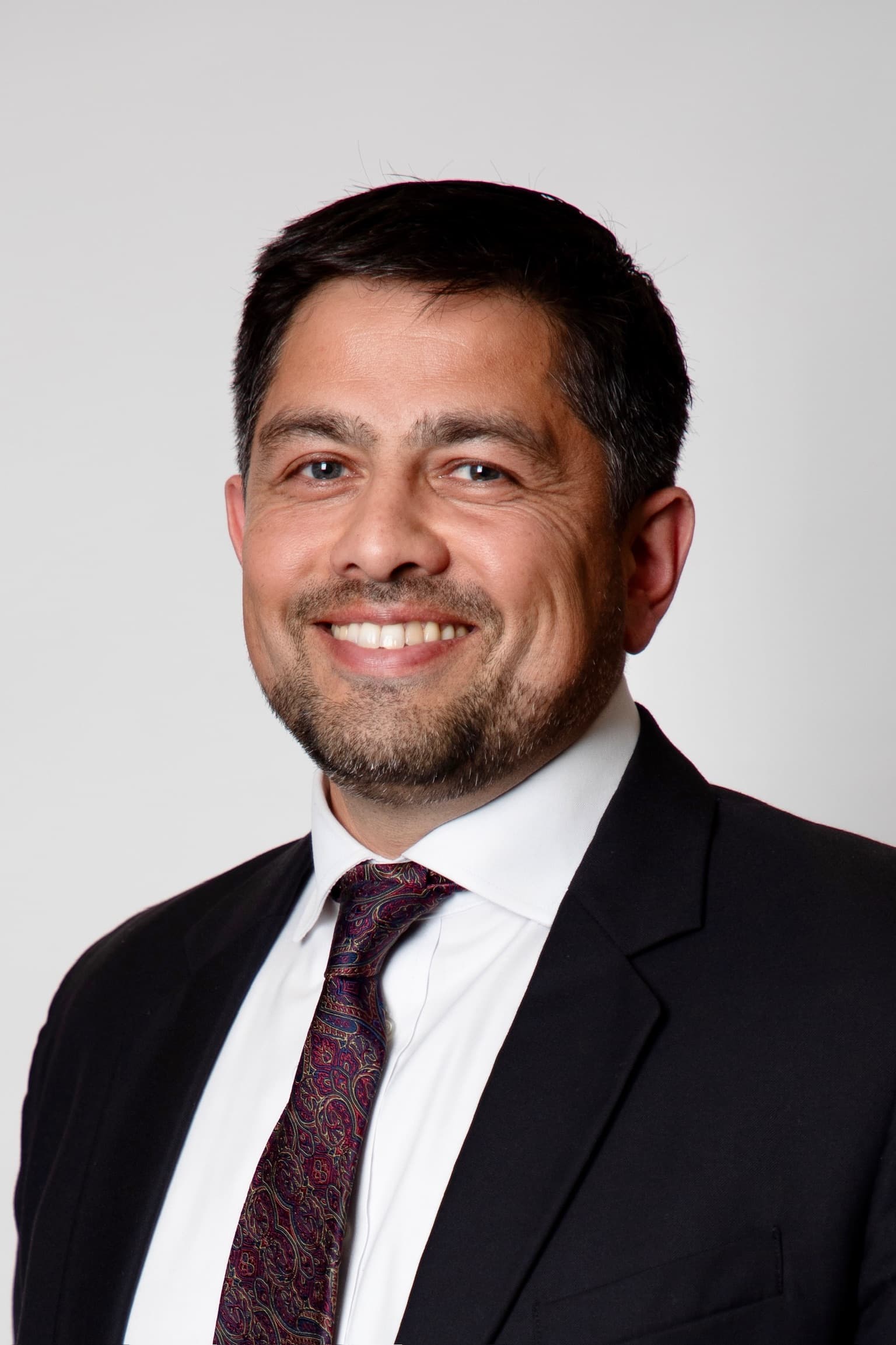
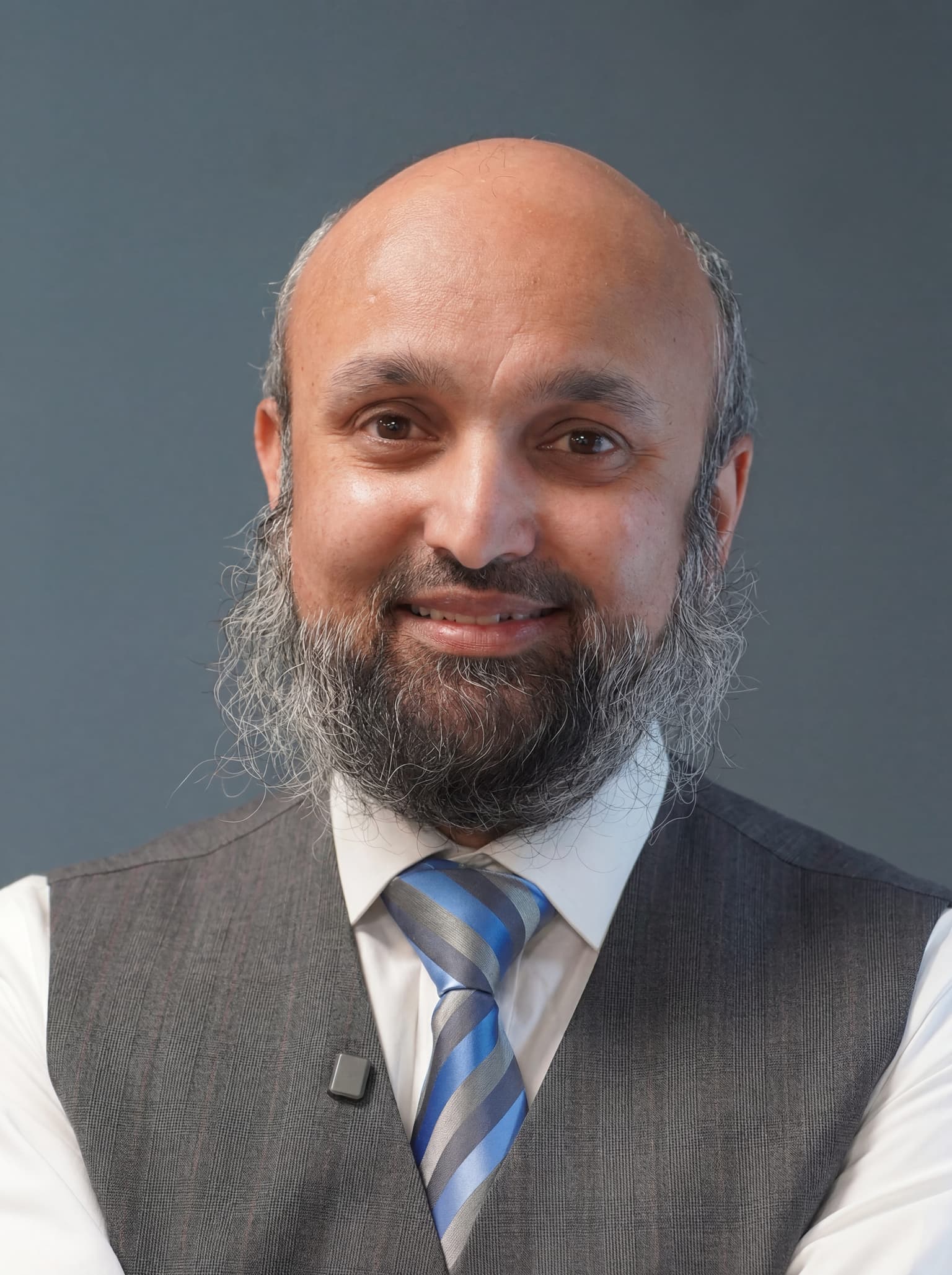
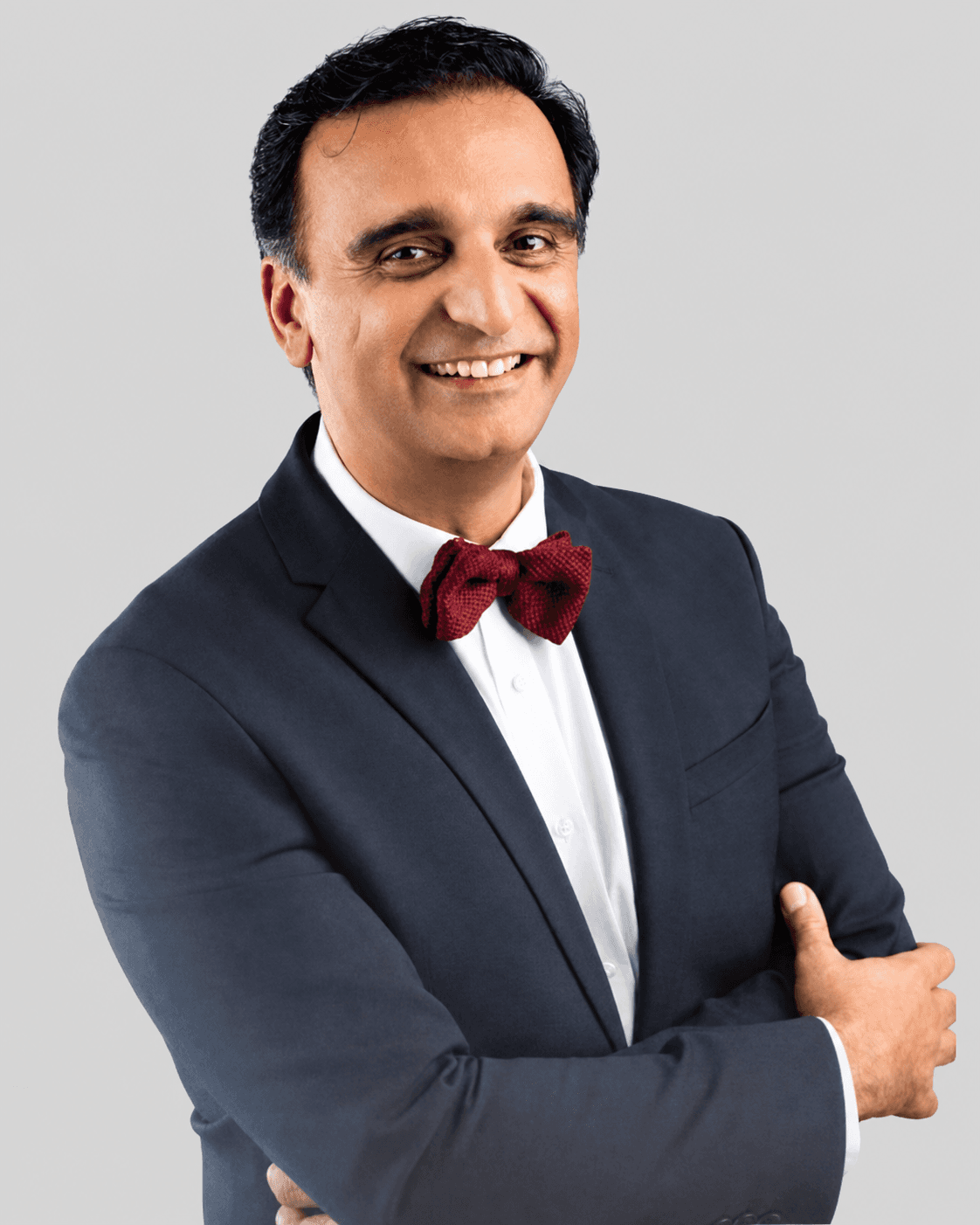
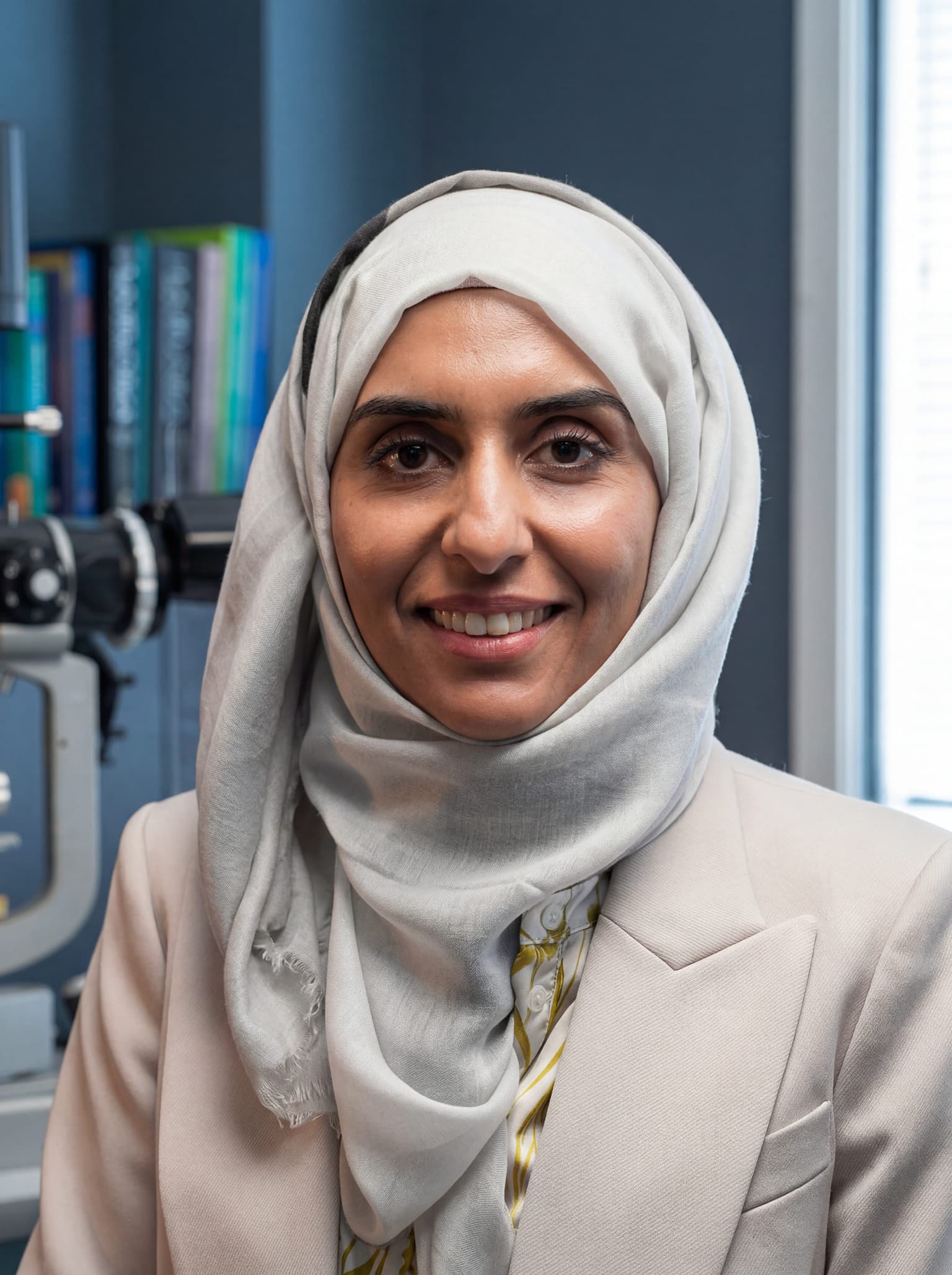
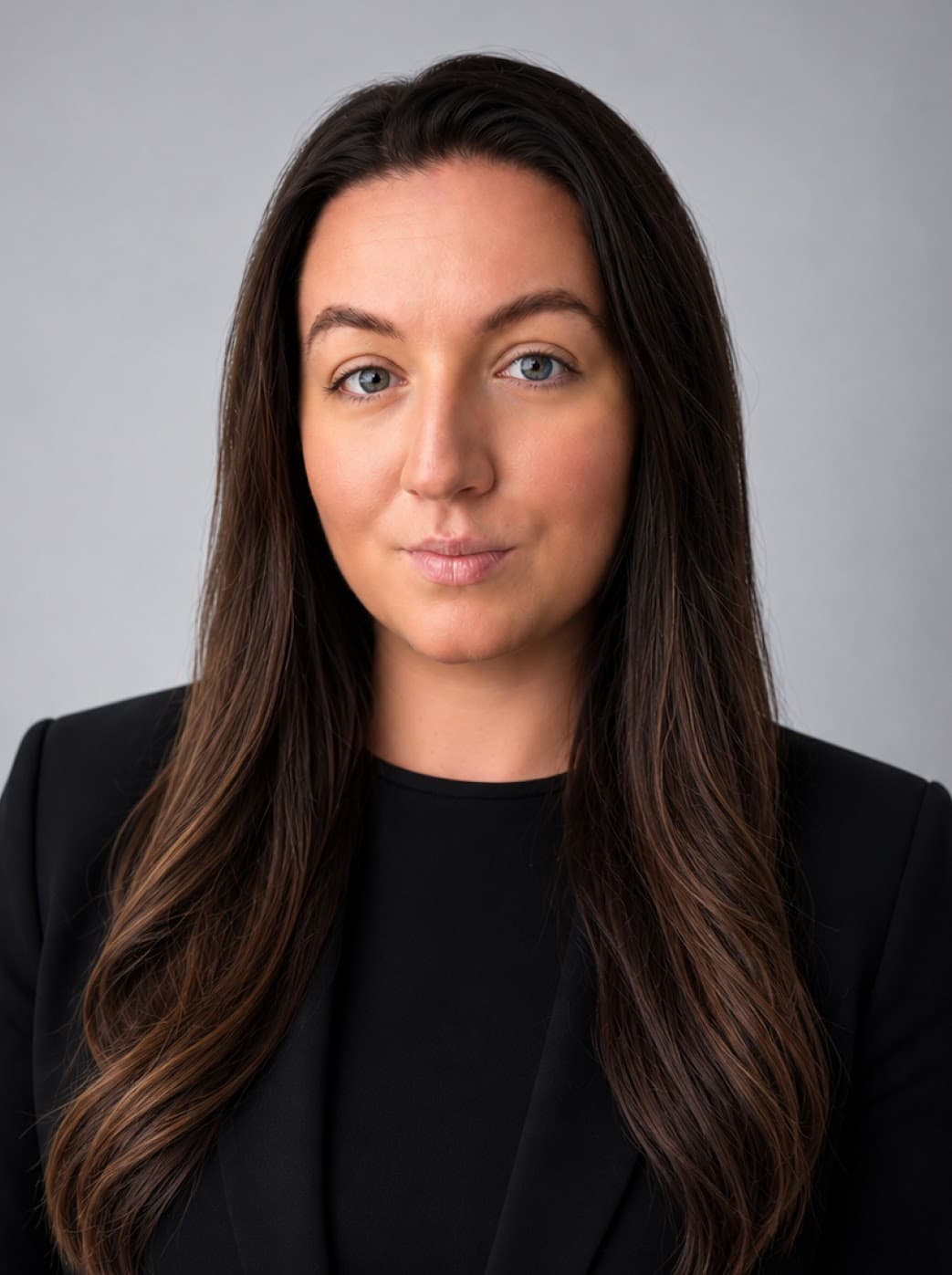
Meet the Team

Frequently Asked Questions
Long-term exposure to UV light from the sun is the main cause, often worsened by wind, dust, and dry, sunny conditions. That's why it's so common in surfers and people who spend a lot of time outdoors.
No. We numb your eye with local anaesthetic drops, so you feel little more than gentle pressure during the procedure and stay relaxed throughout.
Not always. If the growth is small, painless and isn't affecting your sight, we can simply keep an eye on it. We usually recommend surgery when it keeps growing, blurs your vision or causes ongoing irritation.
Lubricating and anti-inflammatory drops can ease the redness and gritty feeling, but they can't remove the tissue. Surgery is the only way to physically remove the growth.
We confirm this at your clinical exam. Surgery is usually a good option once a pterygium affects your vision, won't stop irritating you, or keeps growing.
Where to Find Us
Three convenient locations across West Yorkshire. Visit us for consultations, diagnostics, and treatments.
Bolton
136 – 140 Newport St
Bolton, Greater Manchester
BL3 6AB
Huddersfield
Woodlands, 4 Longbow Close
Huddersfield, HD2 1GQ
Restore Clear, Comfortable Vision with Expert Pterygium Surgery in Huddersfield!
Don't put up with a red, gritty, irritated eye any longer. Book a consultation with Dr Fayyaz Musa for a tailored pterygium surgery plan. Your sight is precious; take your time, choose the best, and let our team help you see clearly and comfortably again.