

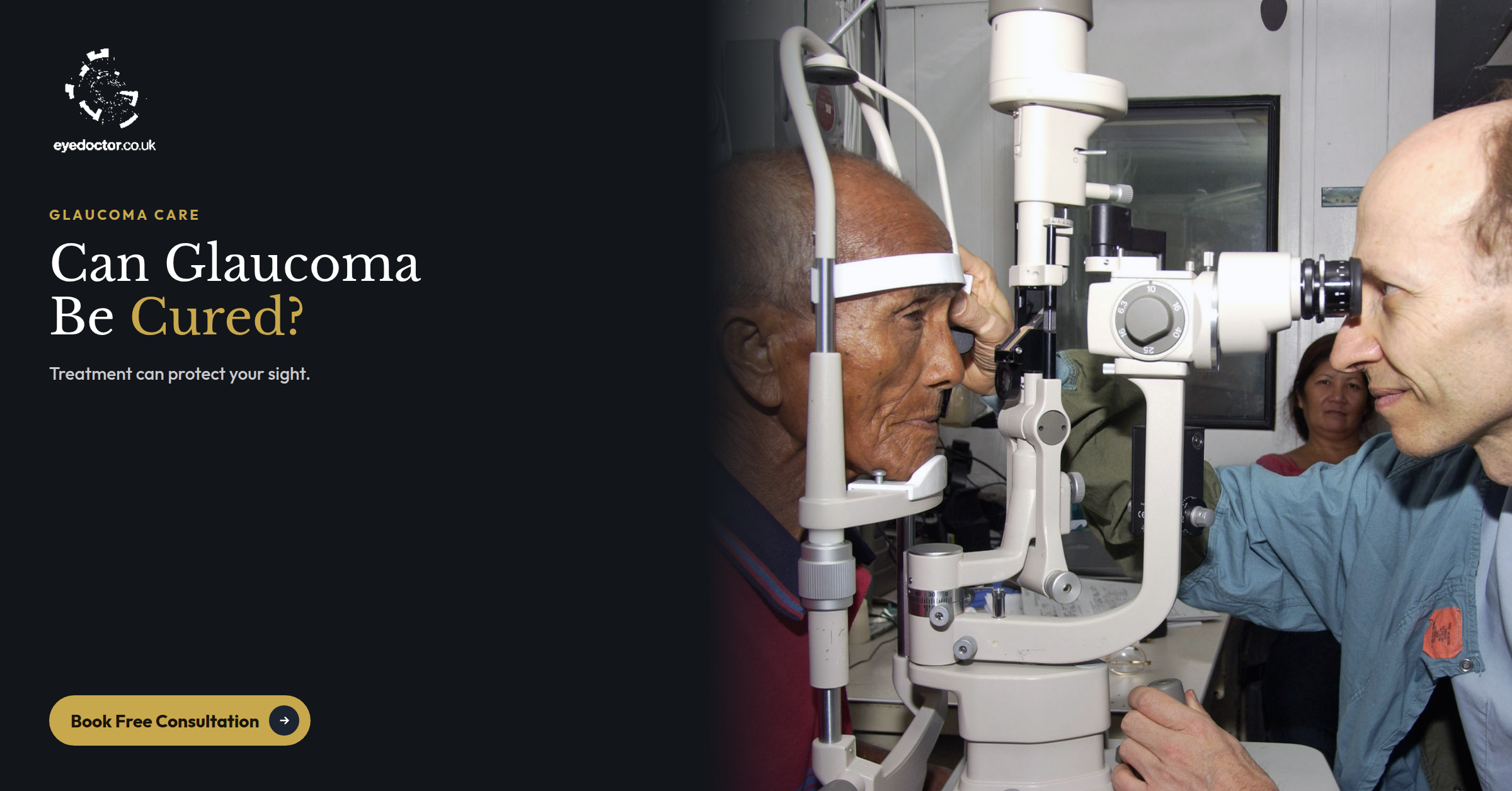
Glaucoma cannot be cured completely, but private glaucoma treatment can stop it from causing permanent vision loss. Advanced procedures lower the pressure inside your eye. This protects your sight for the rest of your life.
You might ask if permanent solutions exist for this condition. When fluid builds up inside your eye, it presses against the optic nerve. This pressure causes slow damage. Once the nerve is damaged, doctors cannot reverse it. However, modern treatments halt the damage straightaway.
This guide explains how expert surgeons manage the condition and what private options you can choose to protect your eyes.
Why A Total Glaucoma Cure Does Not Exist
Many patients ask for a complete cure. In fact, medical science cannot rebuild a dead optic nerve. If you lose sight because of this condition, the loss remains permanent.
Because doctors cannot reverse the damage, they focus on control. The main goal involves safe pressure reduction. If the pressure drops to a normal level, the nerve stays safe. The disease stops its progression. You keep your current vision. So, while a cure does not exist, absolute control does exist.
Early Signs Of Glaucoma You Should Never Ignore
The early stages of glaucoma are frequently missed because the condition often develops slowly and without obvious symptoms. For this reason, diagnosis by an experienced eye care professional is extremely important.
Most patients only become aware of symptoms once the disease has already progressed.
Possible warning signs can include:
- Gradual loss or defects in the peripheral field of vision
- Headaches or pressure around the eyes
- Blurred vision
- Halos around lights
- Red eyes, particularly in acute glaucoma attacks
- Sudden eye pain in cases of acute angle-closure glaucoma
Regular eye examinations remain the best way to detect glaucoma before noticeable visual loss occurs. Read our guide to the early signs of glaucoma.

Need A Simple Plan For Your Eye Pressure?
High eye pressure does not have to steal your sight. Our consultant specialists can assess your eyes and create a clear plan to protect your vision.
Book Free ConsultationThe Two Main Types Of Glaucoma
To understand your treatment options, you must know your exact diagnosis. Doctors classify this condition into two main categories.
Open-Angle Glaucoma
This is the most common form. The drain in your eye looks open and normal, but the fluid flows out too slowly. It acts like a clogged pipe. The pressure rises very slowly over many years. You will not feel any pain. Private medical management and SLT laser therapy work exceptionally well for this specific type.
Closed-Angle Glaucoma
This form is rare but much more dangerous. The outer edge of the iris drops over the natural drain. This completely blocks the fluid escape route. The pressure inside the eye spikes rapidly. It causes extreme pain, severe headaches, and rapid vision loss. This situation requires immediate emergency surgery to save your sight. Tube surgery or a surgical fluid release often resolves this acute crisis.
What Private Treatment Can Achieve For Your Eyes
When you choose private care, you gain access to rapid solutions. You do not have to wait months for an appointment. Fast action saves your sight. Private specialists offer a wide range of advanced tools. They assess your exact eye shape to select the best method.
Glaucoma Medical Management
The first step often involves simple prescription drops. These daily drops work in two distinct ways.
Some drops tell your eye to produce less fluid. Other drops help the fluid drain much faster. You must place these drops in your eyes every single day. Consistent application keeps the pressure stable. However, drops can cause dry or red eyes. If drops fail to work, the specialist will suggest other methods.
SLT Laser (Selective Laser Treatment)
SLT laser therapy is a highly effective option. The surgeon uses a gentle light beam to target the blocked drain in your eye.
The laser stimulates the tissue. This forces the natural drain to open wider. The fluid flows out smoothly. The pressure drops straightaway. The procedure causes zero pain. It takes only a few minutes in the clinic chair. Many patients who receive SLT laser therapy no longer need to use daily eye drops.
Worried About Vision Loss?
A precise clinical approach can safely control eye pressure. Let our specialists assess your vision and design a treatment plan for you.
Book Free ConsultationMinimally Invasive Glaucoma Surgery
If laser therapy does not reduce the pressure enough, surgery becomes necessary. Minimally invasive surgery uses microscopic tools.
The surgeon inserts a tiny tube or stent into the eye’s drainage system. This microscopic tube creates a permanent escape route for the fluid. Because the tools are so small, the eye repairs very fast. You experience minimal discomfort. It is a brilliant option to achieve long-term pressure control.
Deep Sclerectomy And Trabeculectomy
Severe cases require major structural changes. Trabeculectomy is a standard surgical procedure. The surgeon creates a new flap in the white part of your eye.
This flap acts as a brand new drain. The fluid escapes under the clear skin of the eye and is absorbed into the body. Deep sclerectomy is a similar procedure. However, it does not penetrate the entire eye wall. It thins the wall to allow fluid to seep out naturally. Both methods provide excellent, robust pressure relief for advanced disease stages.
Advanced Tube Surgery
Sometimes, previous surgeries fail. In these complex cases, specialists perform tube surgery.
They implant a small silicone tube into the front of the eye. A tiny plate connects to the tube and sits hidden behind the eyelids. The fluid travels down the tube and pools on the plate. The body then safely absorbs the fluid. This advanced method saves sight when standard methods fail.
The Massive Benefits Of Private Care
Time is the most critical factor with this disease. Every week of high pressure causes more nerve damage. Private clinics eliminate long delays.
You see an expert consultant straightaway. You receive advanced scans to measure the exact thickness of your optic nerve. The specialist has the time to explain every detail to you. They tailor the procedure to your specific lifestyle. You receive continuous support after the operation.
How To Prepare For Your Eye Check
A successful outcome relies on proper preparation. Follow these strict rules before you attend your appointment.
- Take Your Glasses: The doctor needs to test your current vision with your glasses.
- List Your Medications: Write down every pill or eye drop you currently use.
- Arrange Transport: The clinic will dilate your pupils with special drops. Your sight will be blurry for a few hours. You must ask a friend to drive you home.
- Write Your Questions: Note down your worries on paper so you do not forget them during the consultation.
What To Expect On The Day Of Surgery
If you need an operation, the clinic process is very calm and structured. You will spend about two to three hours at the facility.
The medical staff will test your eyes one final time. They will apply a series of drops to dilate your pupil and numb the surface of your eye. You will rest in a comfortable chair.
The surgeon will talk you through every single step. They use a gentle, reassuring voice. The actual time spent under the microscope is very brief. Once the session ends, the staff will provide a cup of tea and review your exact aftercare instructions. You will leave with a clear plan and your vital prescription drops.
Strict Aftercare Rules To Protect Your Eyes
The way you treat your eyes at home decides your final result. You must follow strict rules to prevent severe damage. If you ignore these instructions, you risk a severe infection.
- Use Prescription Drops: You must put prescribed drops in your eyes exactly as the doctor instructs. These drops stop severe infections and reduce internal inflammation.
- Wear the Eye Shield: You must tape a clear plastic shield over your eye when you sleep. This shield stops you from accidentally scratching in the dark.
- Keep Water Away: Do not let shower water or soap enter your eye. Tap water contains dangerous bacteria. Close your eyes tightly when you wash your face.
- Attend Clinic Reviews: You must attend your scheduled clinic checks. The doctor needs to test your eye pressure and confirm a safe recovery.
Activities To Avoid For A Safe Recovery
You must pause certain daily tasks to protect the fragile tissue. If you ignore these rules, you invite severe complications.
- No Heavy Lifts: Do not lift heavy boxes or weights for two full weeks. Heavy physical strain raises the pressure inside your head. High pressure forces the tiny eye wound to open.
- Pause Eye Cosmetics: Do not apply mascara or eyeliner for at least one week. Cosmetic powders carry millions of bacteria. If makeup enters the eye, it causes a painful infection.
- Avoid Dusty Places: Stay away from dusty rooms, garden soil, and construction sites. Dust particles can scratch the fresh eye surface.
- Skip Public Pools: Do not swim in public pools or the ocean for four weeks. Pool water contains harsh chlorine and dangerous microbes.
Conclusion
While a permanent cure for glaucoma does not exist, absolute control does exist. Private treatments prevent further harm from the disease. Options like SLT laser therapy, tube surgery, and minimally invasive techniques lower eye pressure safely. Fast action protects the optic nerve and preserves your sight for the rest of your life.
Proper aftercare and regular clinic visits help keep your eyes safe. If you want a full assessment or have an inquiry about Glaucoma Treatment Huddersfield, consult the expert specialists at The Eye Doctor.
Frequently Asked Questions
Can you drive with glaucoma in both eyes?
You can drive if you meet the legal visual standards. However, you must inform the motor transport authority about your diagnosis. The clinic will test your field of vision to ensure you remain safe on the road.
Is laser treatment for the eyes painful?
No, it does not hurt. The doctor applies strong anaesthetic drops to the eye before they start the laser. You only feel a mild pressure on the eyeball. You will not feel sharp pain.
How long does a trabeculectomy operation take?
An expert surgeon usually completes this specific operation in under one hour. You stay awake, but the eye remains completely numb. You can go home on the exact same day.
Will I still need drops after surgery?
Many patients stop their daily drops after a successful operation or laser session. However, some individuals might still need a low dose to maintain perfect pressure control. The doctor will monitor your exact needs.