

Fuchs Endothelial Dystrophy
If you are waking up to cloudy, blurred vision that slowly clears throughout the day, you may be experiencing Fuchs Endothelial Dystrophy. At The Eye Doctors in Huddersfield, we provide world-class, consultant-led care. Our internationally recognised corneal specialists perform advanced, minimally invasive DMEK surgery to restore the crystal-clear clarity of your vision permanently.
We handle the complex medical details in a calming, premium environment, so you can focus entirely on enjoying your life.
Affiliations & As Seen In










Hear from Our Patients
Exceptional Care, Led by Experts
Meet our specialists, explore our clinic, and hear real patient experiences.
What Is Fuchs Endothelial Dystrophy?
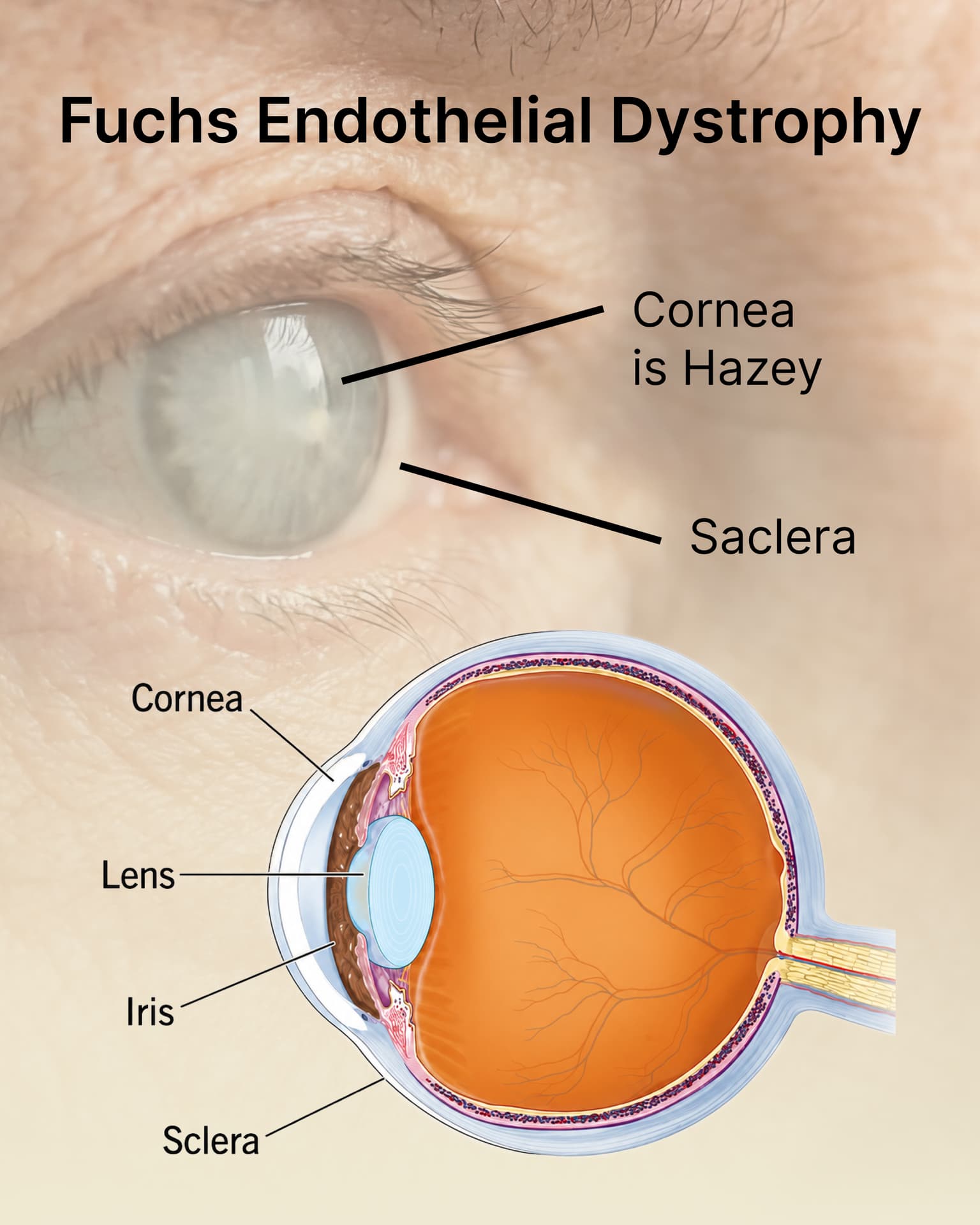
Fuchs endothelial dystrophy is an eye condition characterised by the gradual degeneration of the cornea, which is the thin, clear covering of the eye's front surface.
A special group of cells within the cornea, known as the endothelium, works to pump fluid from the tissue so it can remain transparent. In Fuchs Dystrophy, these cells die and accumulate fluid within the cornea.
This leads to cloudiness and fogging of your vision, significantly limiting your ability to live life normally and perform tasks such as driving and reading. Luckily, through modern procedures such as DMEK surgery, the faulty cells can be replaced to improve your vision.
Fuchs Dystrophy Explained
Coming SoonWhy Is Fuchs Endothelial Dystrophy a Concern?
While Fuchs Dystrophy develops slowly, it causes significant daily discomfort that progressively worsens as more endothelial cells are lost. You should seek specialist advice straightaway when your morning blurriness takes longer and longer to clear, or when your changing vision begins to interfere with your daily activities. Common symptoms include:
Vision that is noticeably cloudy or hazy when you first wake up, which gradually improves as the day goes on.
Seeing halos or severe glare around lights, especially when driving at night.
A gritty, painful, or sandy feeling on the surface of your eyes.
Colours appearing faded or washed out.
Early assessment allows us to plan your tailored treatment before permanent scarring occurs.
How Does Fuchs Endothelial Dystrophy Develop?
The exact cause of Fuchs Dystrophy is largely genetic. It involves the gradual deterioration of the endothelial cells lining the back of your cornea.
Because these damaged cells can no longer efficiently pump fluid out of the cornea, the tissue swells and thickens. This swelling scatters the light that enters your eye, leading to the blurred images you experience.
Advancing age (typically over 50), a family history of the condition, and being female all increase your risk of developing the disease. It also frequently occurs alongside age-related cataracts.
Types of Fuchs Endothelial Dystrophy
While surgical treatment remains our primary solution, Fuchs Dystrophy progresses through distinct clinical stages:
Stage 1 (Early Fuchs Dystrophy)
The very beginning of the condition, where tiny bumps (guttae) form on the back of the cornea. It is often symptomless, though you may notice mild glare at night. We monitor this stage closely using advanced diagnostics to catch any progressive swelling early.
Stage 2 (Moderate Fuchs Dystrophy)
Fluid starts accumulating in the cornea, especially during nighttime when your eyes are closed. You will wake up with blurry vision that will eventually clear up towards the evening. Although medical treatment with special eye drops can alleviate some symptoms, surgery is the next step.
Stage 3 (Advanced Fuchs Dystrophy)
The cornea remains swollen throughout the entire day, and tiny blisters may form on the eye's surface. This causes constant blurry vision, severe pain, and a gritty sensation. This stage requires highly advanced DMEK surgery to replace the damaged cell layer and restore clarity safely.
Fuchs Endothelial Dystrophy at a Glance
Condition Type
Progressive corneal disease
Who It Affects
Adults, slightly more common in women
Common Symptoms
Morning blurriness, glare, halos, and eye pain
Risk Factors
Family history and advancing age
Associated Conditions
Cataracts and Glaucoma
Risk of Complications
Permanent corneal scarring, painful blisters, and severe vision loss
Complications of Untreated Fuchs Dystrophy
If you choose to delay treatment, the fluid build-up in your cornea will continue to worsen over time. Potential complications include:
Painful Corneal Blisters
As fluid continues to build up, tiny blisters (bullae) can form on the surface of your eye. If these blisters burst, they cause severe, sharp pain and significantly increase your risk of a dangerous eye infection.
Permanent Corneal Scarring
Chronic swelling eventually leads to dense, hazy scar tissue forming right in your line of sight. This permanent scarring prevents clear vision and can necessitate a much more invasive, full-thickness corneal transplant.
Severe Visual Impairment
Your vision will degenerate to a point where normal daily tasks such as reading, safely preparing meals, and watching television become impossible.
Loss of Driving Independence
Severe glare from oncoming headlights and overall blurry vision will cause you to fail to meet the legal driving standard, entirely stripping away your mobility and independence.
Fuchs Endothelial Dystrophy Consultation Process
We view your treatment as a highly reassuring, comprehensive process, never just a standalone appointment.
The Phone Assessment
Your journey starts with a complimentary, friendly phone assessment with our clinical advisors to answer your immediate queries and ease any anxieties before you even set foot in the clinic.
The Clinical Consultation
We welcome you to our relaxing, spa-like clinic in Huddersfield. To receive your complete £250 evaluation, we need a fully refundable £50 deposit, which ensures we devote our best efforts only to those who take their eyesight seriously.
Diagnostic Testing
Using the high-calibre Zeiss Forum technology, we create a meticulous map of the thickness and condition of your cornea for the custom procedure you will undergo. We request that you refrain from using contact lenses for two weeks before the consultation.
Diagnosis & Treatment Plan
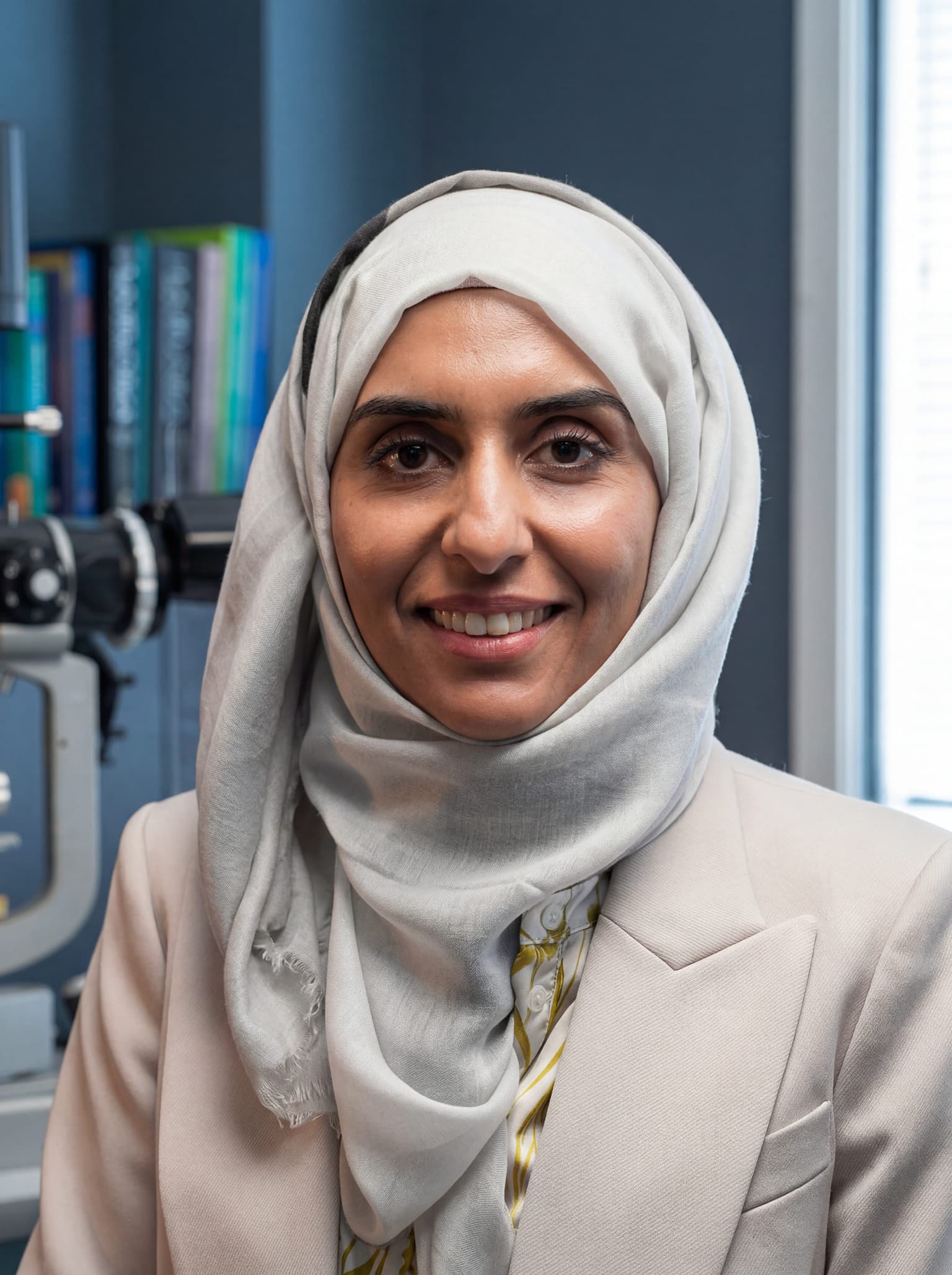
You will meet Dr Fayyaz Musa, our chief corneal expert. If surgery is needed, we will be frank enough to tell you the exact cost of your Fuchs Dystrophy surgery.
Follow-Up Care
Your premium surgical package fully covers all comprehensive post-operative care and follow-up consultations for a full three months.
Long-Term Monitoring
We monitor your corneal healing closely. We advise patients that full visual recovery following advanced corneal surgery takes around three months. You also receive your specific surgeon's personal mobile number for direct, immediate reassurance.
Read About Our Happy Patients
What a great experience! Very reassuring and I am very grateful for the consultation from Dr Musa he was so helpful in helping me make a decision to proceed to having eye correction surgery. I have the upmost confidence in him and the team at the Eye Doctor Clinic, Huddersfield.
Lozza 747I had implants with Dr Musa ten years ago. It was the best thing I've ever done. They are brilliant. My sight both near and distant was very poor but since the op I've had no glasses no lenses and my sight has been super. It remains really good to this day. Thank you Dr Musa. Brilliant consultations and treatment for glaucoma since.
Kay FitbitI can highly recommend the Eye Doctor Clinic, and I am so pleased I went there. Dr Musa, Gemma and Jess are lovely. They are very knowledgeable and were able to answer all my questions. My vision following surgery is great, and not having to wear glasses is fantastic.
Carol PeelFAQs
DMEK is an incredibly precise, advanced corneal transplant. We gently replace only the damaged inner layer of your cornea, providing vastly superior visual outcomes compared to older techniques.
Not at all. We use highly effective numbing drops so you remain entirely comfortable. We also offer relaxing sedatives like Diazepam, or fully dedicated general anaesthesia for anxious patients.
We typically advise patients that full visual recovery following advanced corneal surgery takes around three months, though you will notice improvements much sooner.
Yes. Our premium clinic in Huddersfield specialises in private, consultant-led corneal treatments managed by an internationally recognised expert.
Yes. Since Fuchs Dystrophy is usually associated with cataracts, our experienced surgeons perform premium cataract surgery and DMEK at the same time.
Meet the Team





Where to Find Us
Three convenient locations across West Yorkshire. Visit us for consultations, diagnostics, and treatments.
Bolton
136 – 140 Newport St
Bolton, Greater Manchester
BL3 6AB
Huddersfield
Woodlands, 4 Longbow Close
Huddersfield, HD2 1GQ
Restore Clear Vision with Expert DMEK Surgery in Huddersfield
If your morning cloudiness is taking longer to clear, a consultant-led corneal assessment at The Eye Doctor Clinic is the first step. Our internationally recognised specialists use advanced DMEK surgery to restore lasting clarity.