

Vitreoretinal Surgery in Huddersfield
A sudden change in your sight can be frightening, and when it involves your retina, getting expert help quickly really matters. At The Eye Doctor Clinic, our consultant retinal surgeons repair and protect your vision using advanced, minimally invasive vitreoretinal surgery. Mr Murtuza Mookhtiar follows a precise, gentle approach to ensure the best possible outcome and the smoothest possible recovery.
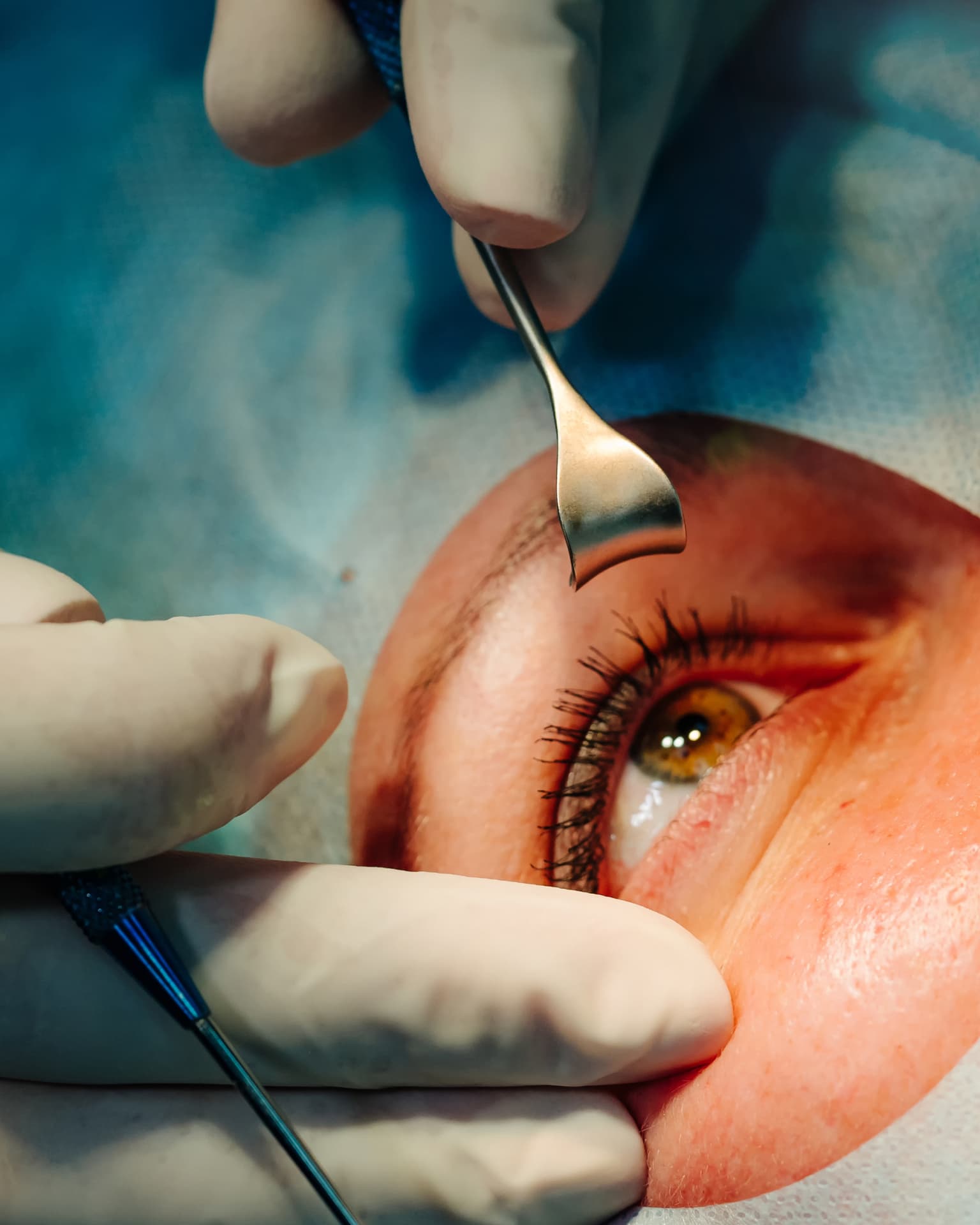
In plain English
This covers operations on the jelly inside the eye and the retina behind it, for problems such as detachment, scarring and bleeding at the back of the eye.
New to this? Read our full guide to retinal surgery
Affiliations & As Seen In










Hear from Our Patients
Exceptional Care, Led by Experts
Meet our specialists, explore our clinic, and hear real patient experiences.
What is
Vitreoretinal Surgery?
Your retina is the thin, light-sensitive layer that lines the inside of your eye. It captures light and turns it into the signals your brain reads as sight. In front of it sits the vitreous, a clear gel that fills the middle of the eye. When the retina tears, detaches or becomes damaged by disease, your vision can blur, distort or fade, sometimes very suddenly.
Vitreoretinal surgery (also called retinal surgery) covers a group of delicate, microscopic operations that repair the retina and the vitreous. The goal is straightforward: protect the sight you have and restore as much as we safely can.
Why Might You Need Vitreoretinal Surgery?
Some retinal problems settle with monitoring or medication. Others need surgery to save your sight, and a few are genuine emergencies. You may need vitreoretinal surgery if you notice:
How Does Vitreoretinal Surgery Work?
Your Surgery, Step by Step
Assessment & Imaging — We examine your eye and use OCT scanning, wide-field retinal imaging and ultrasound (if the view is cloudy) to confirm the diagnosis and plan your surgery.
Anaesthesia — Most patients have a local anaesthetic with sedation, so you stay relaxed and comfortable while awake. We offer a general anaesthetic where it suits you better.
Vitrectomy — The surgeon makes three micro-incisions and removes the vitreous gel under high magnification to reach the retina.
Retinal Treatment — Depending on your condition, Mr Mookhtiar may peel membranes, apply laser, reattach the retina, drain fluid, or remove scar tissue.
Internal Tamponade — Where needed, we fill the eye with a gas bubble or silicone oil to support the retina as it heals. A gas bubble clears on its own over several weeks.
Post-op Instructions — If we use the gas bubble technique, you will need to maintain a specific head position so the bubble makes contact with your retina.
Vitreoretinal Surgery at a Glance
Procedure Time
30 min – 2 hrs
Depending on the condition
Anaesthetic
Local with sedation
Or general anaesthesia
Downtime
Several weeks
Varies by procedure
Back to Work
2–4 weeks
For desk-based work
Result Duration
Long term
Lasting retinal repair
Cost
Enquire
For specialist pricing
Benefits of Vitreoretinal Surgery
Tiny, self-sealing incisions (23–27G) that usually need no stitches.
Over 90% primary success rate for uncomplicated retinal detachment.
Consultant-led from your first scan through to aftercare.
A day-case procedure, home the same day, with no overnight stay.
OCT-guided planning and high-magnification microsurgery.
Surgical and medical retina expertise under one roof.
Vitreoretinal Surgery Consultation Process
We believe in a no-pressure approach and design your journey to be as smooth and transparent as the vision we aim to protect.
The Free Phone Assessment
A relaxed chat with our team to talk through your symptoms and book you in for the right appointment — all before you set foot in the clinic.
The Clinical Consultation
A full eye examination using advanced imaging, OCT scanning, wide-field retinal photography, and ultrasound if needed, to confirm your diagnosis and plan your surgery, with all the time you need to ask questions.
Your Treatment Day
A day-case vitrectomy under local anaesthetic with sedation (or a general anaesthetic if you prefer). You go home the same day with clear, written aftercare instructions.
Dedicated Aftercare
A personalised recovery plan, simple posturing guidance if we've used a gas bubble, prescribed drops, and structured follow-up visits to keep your sight on track.
Frequently Asked Questions
Vitrectomy is a microscopic operation in which your surgeon removes the vitreous gel through tiny openings in the eye. It provides direct access to the retina, allowing us to treat conditions such as retinal detachment, macular hole, epiretinal membrane, and vitreous haemorrhage. Modern small-gauge incisions (23G, 25G or 27G) are as small as 0.5 mm and usually seal themselves, so most patients need no stitches.
Most people feel very little. We fully numb the eye before surgery, and sedation keeps you relaxed throughout. Afterwards, your eye may feel gritty, achy, or sore for a few days, which we can easily manage with pain relief and prescribed drops.
It depends on the case. Simple surgery, such as floater removal, can take 30–45 minutes, while a complex retinal detachment or diabetic vitrectomy may take one to two hours. Your surgeon will give you a clearer estimate at your consultation.
You must not drive while a gas bubble remains in your eye, as your vision will remain poor until it clears. Once the bubble has absorbed and your sight is stable, your consultant will confirm when it's safe to get back behind the wheel.
Recovery varies by procedure and person. Your vision is usually blurred for the first few weeks and improves gradually as the eye heals. If we use a gas bubble, your sight remains very limited until it absorbs, which usually takes 4–8 weeks. Most people return to desk work within 2–4 weeks.
Read About Our Happy Patients
What a great experience! Very reassuring and I am very grateful for the consultation from Dr Musa he was so helpful in helping me make a decision to proceed to having eye correction surgery. I have the upmost confidence in him and the team at the Eye Doctor Clinic, Huddersfield.
Lozza 747I had implants with Dr Musa ten years ago. It was the best thing I've ever done. They are brilliant. My sight both near and distant was very poor but since the op I've had no glasses no lenses and my sight has been super. It remains really good to this day. Thank you Dr Musa. Brilliant consultations and treatment for glaucoma since.
Kay FitbitI can highly recommend the Eye Doctor Clinic, and I am so pleased I went there. Dr Musa, Gemma and Jess are lovely. They are very knowledgeable and were able to answer all my questions. My vision following surgery is great, and not having to wear glasses is fantastic.
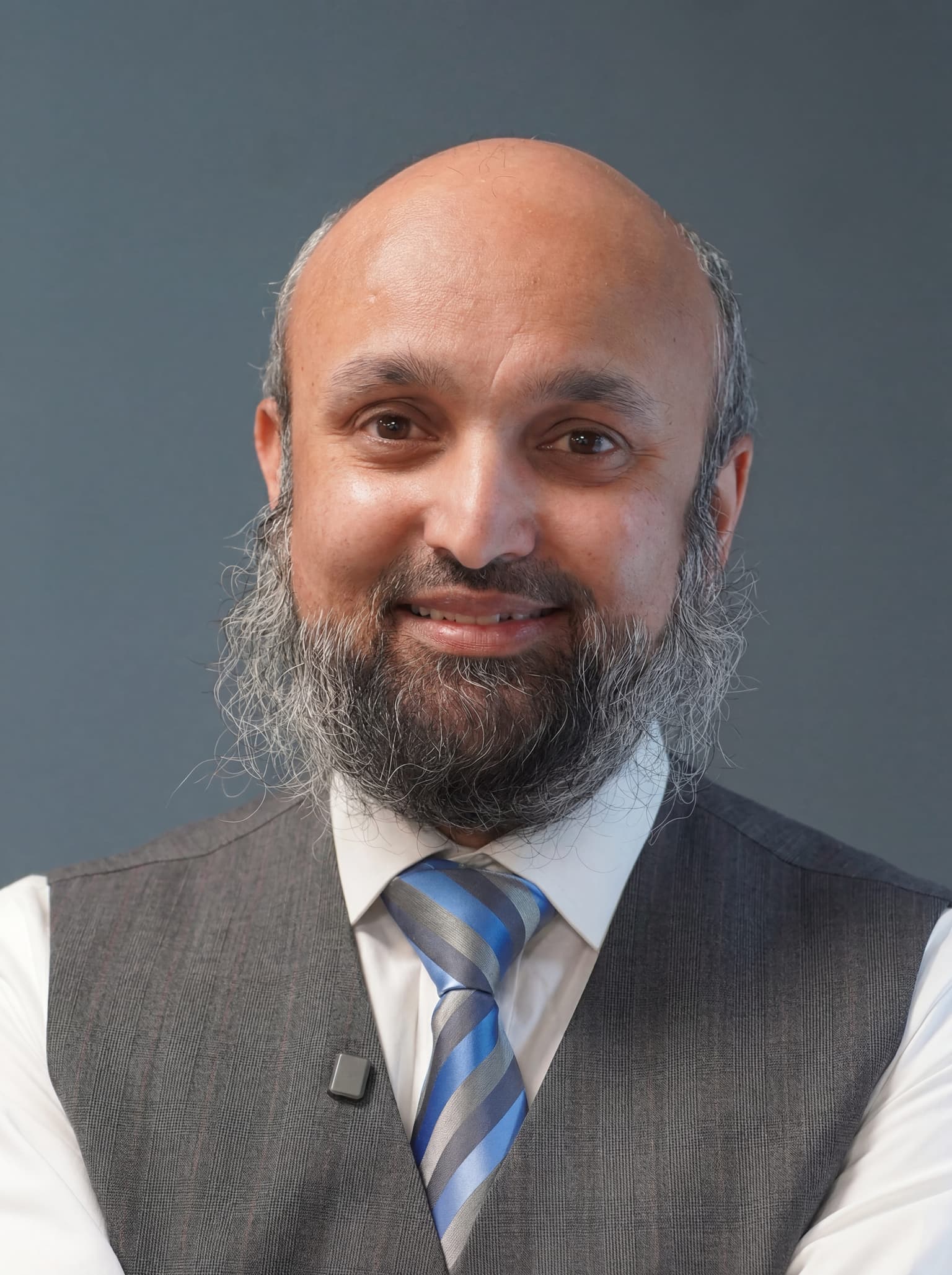
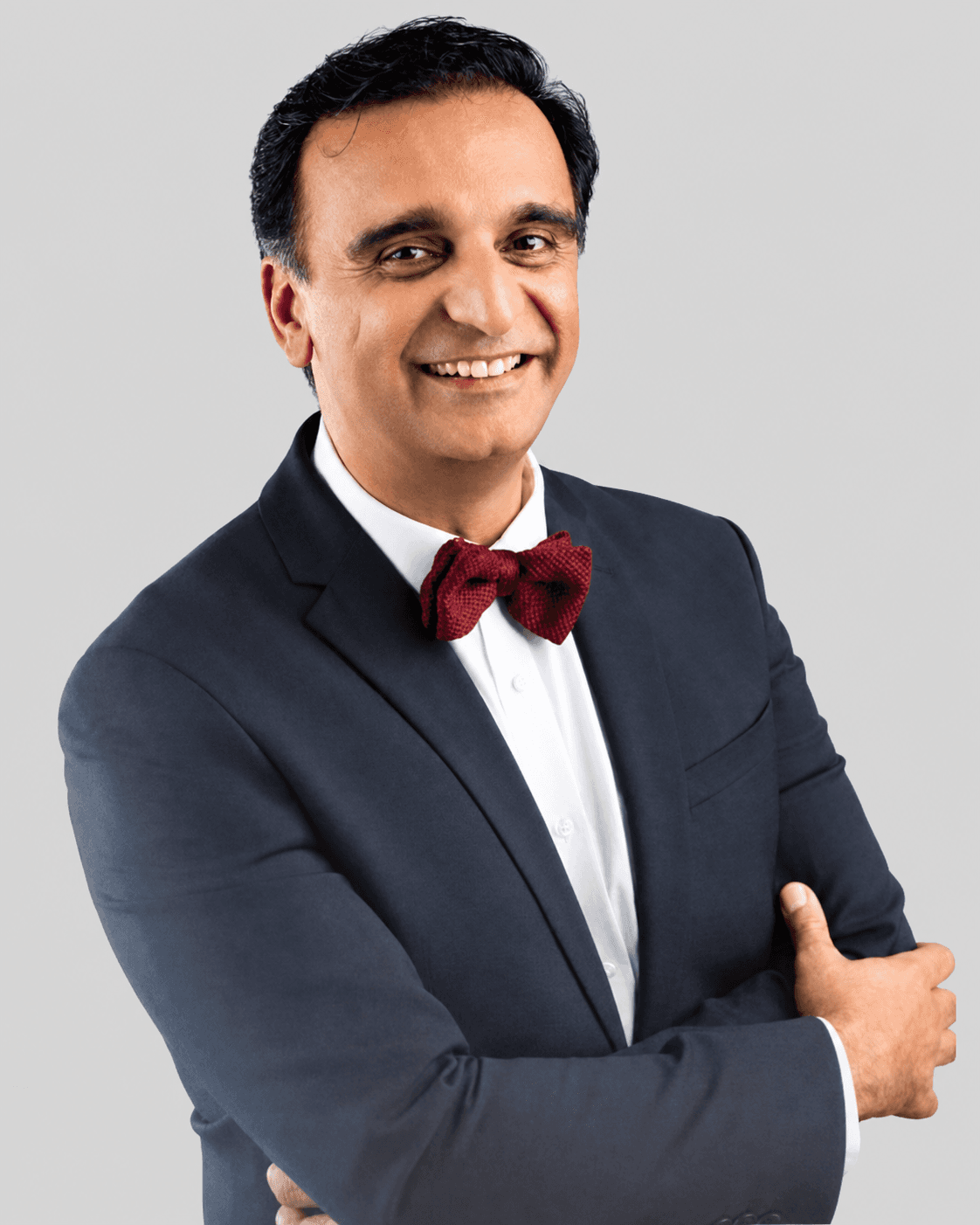
Carol PeelMr Murtuza Mookhtiar
MBChB · FRCOphth
Consultant Ophthalmic Surgeon, Cataract & Retinal Specialist
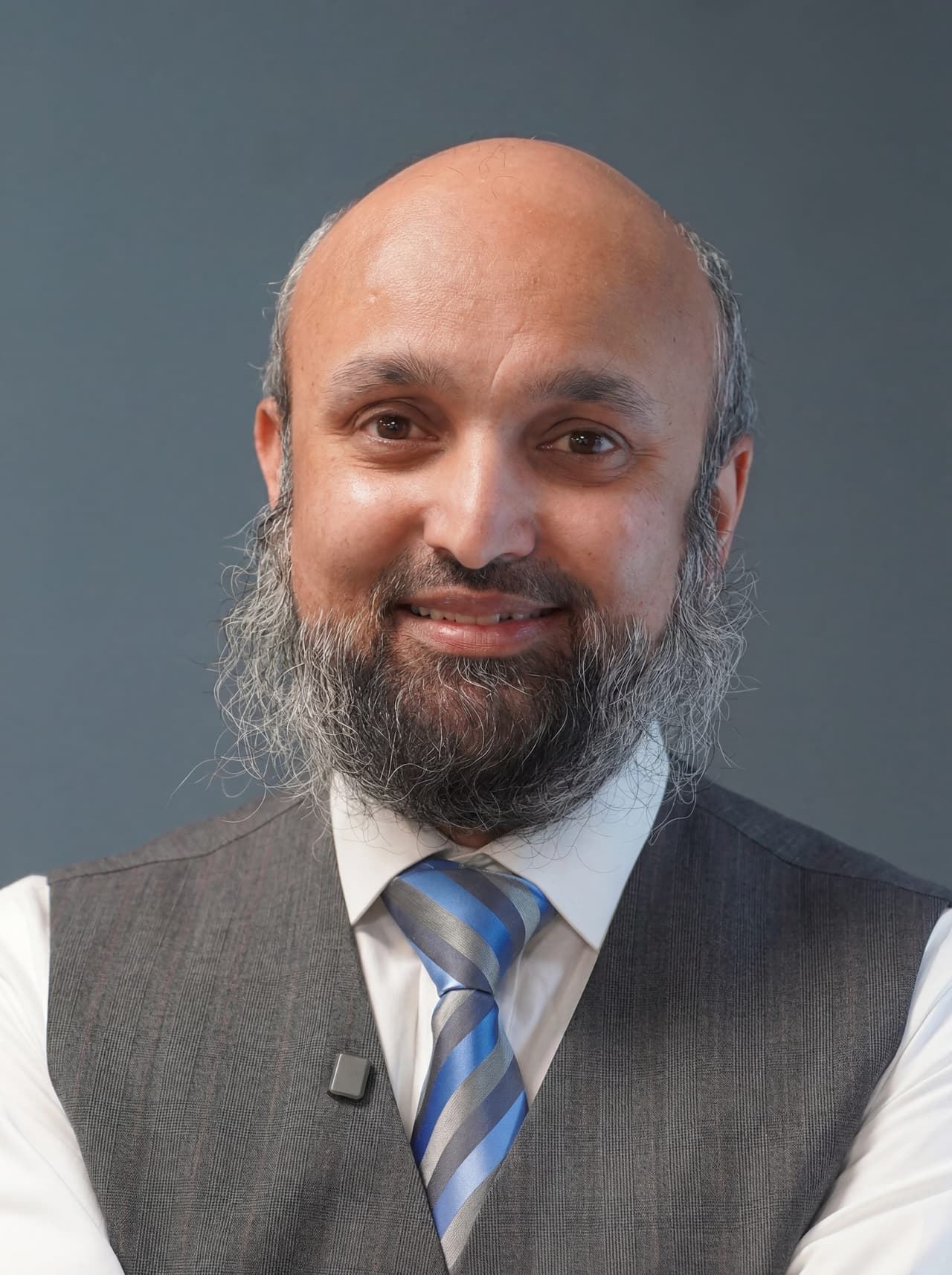
Mr Murtuza Mookhtiar is a Consultant Ophthalmic Surgeon with a specialist interest in vitreoretinal surgery and cataract surgery. He manages a wide range of complex retinal conditions including retinal detachment, epiretinal membrane, macular hole, and vitreous floaters. Mr Mookhtiar combines precise surgical technique with a compassionate approach, ensuring patients receive the highest standard of care throughout their treatment journey.
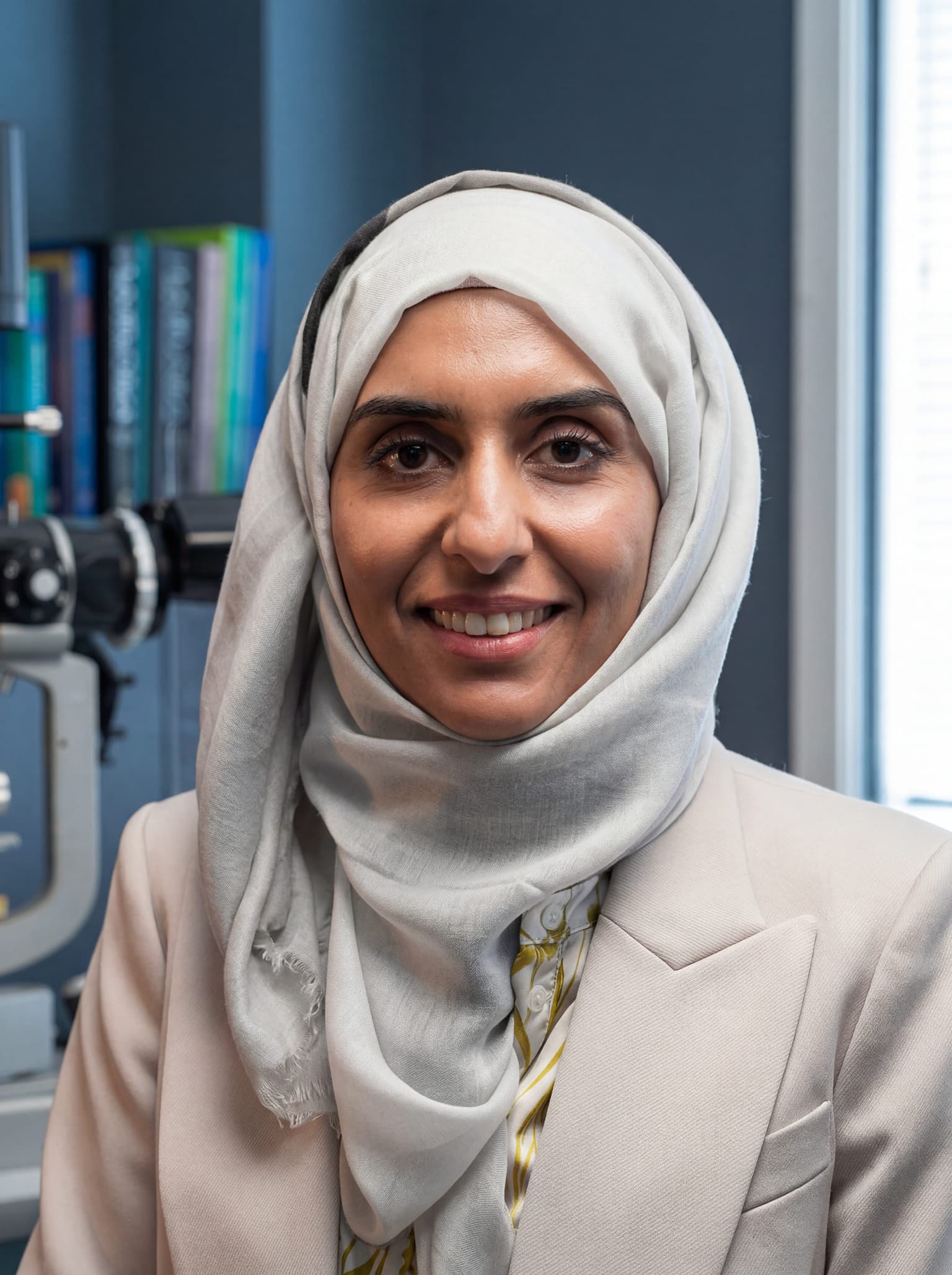
Mrs Farhat Butt
MBChB · FRCOphth
Consultant Ophthalmologist, Medical Retina & Uveitis
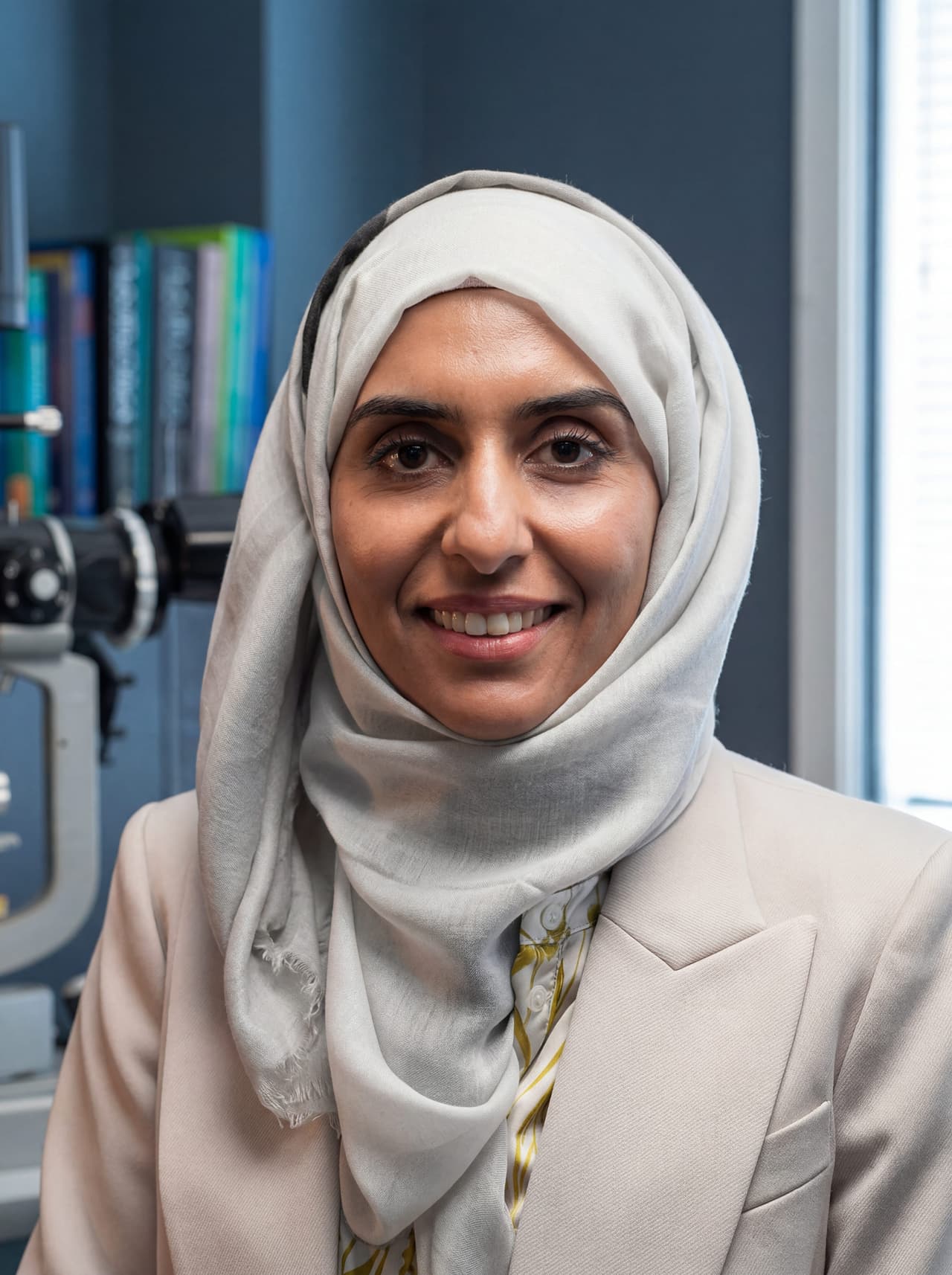
Mrs Farhat Butt is a Consultant Ophthalmologist specialising in medical retina and uveitis. She has extensive experience in the diagnosis and management of sight-threatening conditions including wet age-related macular degeneration, diabetic macular oedema, retinal vein occlusion, and complex uveitis. Mrs Butt is highly experienced in intravitreal injection therapy and provides expert, patient-centred care for some of the most challenging retinal and inflammatory eye conditions.
Meet the Team



Where to Find Us
Three convenient locations across West Yorkshire. Visit us for consultations, diagnostics, and treatments.
Bolton
136 – 140 Newport St
Bolton, Greater Manchester
BL3 6AB
Huddersfield
Woodlands, 4 Longbow Close
Huddersfield, HD2 1GQ
Protect Your Sight with Expert Vitreoretinal Surgery in Huddersfield!
Arrange an appointment with Mr Murtuza Mookhtiar for a personal treatment strategy. Your eyesight is invaluable, so spend some time choosing the one who can give you the most. Protect your eyes before it's too late; make an informed decision.