
How long does it take to go blind from cataracts? There is no fixed timeline. Age-related cataracts usually develop slowly, often over many years, and the speed varies by person and by cataract type. The NHS states that, without treatment, cataracts will eventually cause sight loss. Cataract-related sight loss can usually be treated with surgery, which is why early assessment matters.
This guide explains how cataracts progress, why some change faster than others, what happens if they are left untreated and when it makes sense to speak to an eye specialist.
Takeaways
- There is no set number of months or years before cataracts cause blindness, because progression varies widely between people and cataract types.
- Most age-related cataracts develop slowly, and the NHS and RNIB both describe symptoms that build up gradually.
- Cataracts are the leading cause of blindness worldwide, according to the World Health Organisation, mainly where people cannot access surgery.
- Unlike sight loss from conditions such as glaucoma or macular degeneration, cataracts can usually be treated with surgery.
- A cataract left for a very long time can lead to other problems, such as raised eye pressure, so regular eye checks are important.
Can Cataracts Make You Blind?
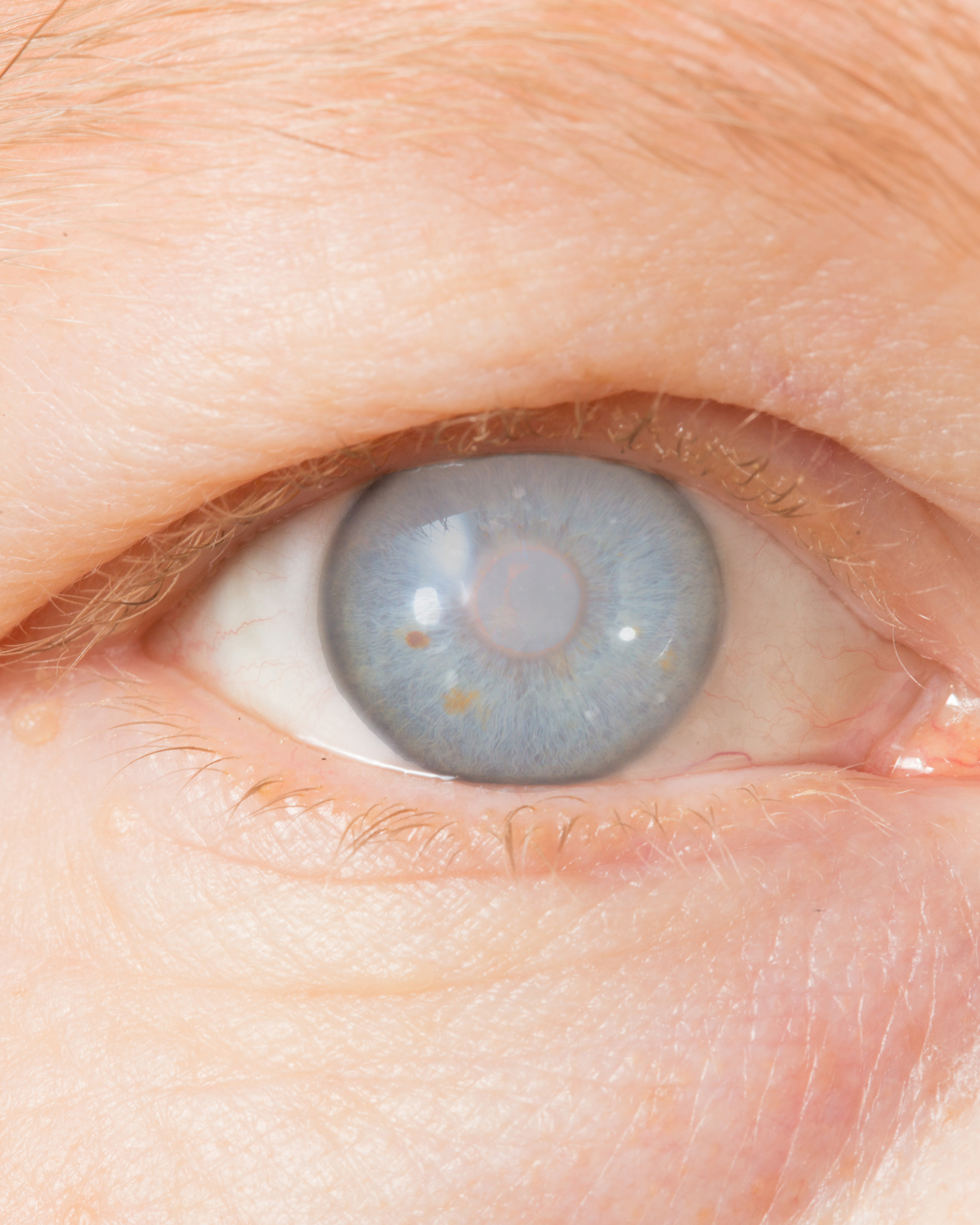
Yes, cataracts can cause blindness if left untreated. A cataract is a clouding of the clear lens inside the eye. As the clouding thickens, less light reaches the back of the eye, and vision becomes blurred, dim and faded.
The World Health Organisation reports that cataract is the leading cause of blindness worldwide, affecting more than 94 million people. Most of this sight loss occurs where people cannot get surgery. The WHO notes that around one in two people worldwide who need cataract surgery do not have access to it.
In the UK, surgery is widely available, so most people have their cataracts treated well before they reach this stage. The NHS explains that cataracts worsen over time, and surgery is the only way to remove them.
How Long Does It Take to Go Blind from Cataracts?
No one can give an exact timeline, and you should be wary of any source that does. Longitudinal research shows how much progression varies.
- In the Age-Related Eye Disease Study, among people who already had a central (nuclear) cataract, around 43 in 100 showed a measurable worsening over seven years.
- In the same study, about 70 in 100 people with a cortical cataract showed measurable worsening over seven years.
- The Longitudinal Study of Cataract found that just under half of people with existing nuclear lens clouding had worsened after five years.
These figures describe a change in cataract grade, not blindness. They show that many cataracts worsen over several years, while others change slowly or very little in the same period. Your own rate depends on your cataract type, your age, your general health and other eye conditions.
Because no one can reliably predict your timeline, an eye specialist will monitor how your cataract affects your vision and daily life, rather than counting down to a fixed date.

Noticing Cloudy Vision or Glare at Night?
A consultant-led assessment at The Eye Doctor Clinic can measure how much your cataract affects your sight and explain your options in plain language.
Book Free ConsultationWhat Affects How Quickly Cataracts Progress?
The Type of Cataract
There are three main types of age-related cataract, and they behave differently.
- Nuclear cataracts form in the centre of the lens. They are the most common type linked to ageing and often gradually blur distance vision.
- Cortical cataracts begin as wedge-shaped clouding at the edges of the lens and slowly grow towards the centre, often causing glare.
- Posterior subcapsular cataracts form at the back of the lens, directly in the path of light. They tend to develop faster than other types and can affect reading vision and cause halos around lights.
Your Health and Risk Factors
The NHS lists several factors that make cataracts more likely, including being aged 60 or over, diabetes, high blood pressure, long-term steroid medicines, a past eye injury or eye surgery, smoking, strong sunlight without eye protection, and a family history of cataracts.
The RNIB notes that people with diabetes often develop cataracts earlier. Managing your general health and wearing sunglasses in bright light are sensible steps, although the RNIB also explains that nothing has been shown to stop cataracts from developing or worsening.
The Stages of Cataract Progression
Doctors describe cataracts in different ways, but many people notice a broad pattern of change.
| Stage | What you may notice |
|---|---|
| Early | Little or no change to your sight, or a need to update your glasses more often |
| Developing | Blurred or misty vision, glare from headlights, faded colours and difficulty reading |
| Advanced | Daily tasks such as reading, driving and recognising faces become hard |
| Very advanced (mature) | Severe loss of vision in the affected eye |
The NHS also notes that you may see halos around lights, find it harder to see at night or notice double vision in one eye. Symptoms are often different in each eye.
What Happens If Cataracts Are Left Untreated?
Cataracts are not dangerous in the early stages, and the NHS explains that they usually do not need treatment straight away. Stronger glasses and brighter lighting may help for a while.
An untreated cataract usually keeps getting worse. Over time, this can affect your safety and independence:
- Falls and injuries: reduced depth perception and contrast can make trips and falls more likely.
- Driving: you must tell the DVLA if your eyesight no longer meets the legal standard for driving.
- Everyday life: reading, hobbies, cooking and recognising faces can become difficult.
If a cataract is left for a very long time, it can become very dense or swollen. Medical literature on lens-induced glaucoma describes how a very advanced cataract can raise the pressure inside the eye, causing a red, painful eye. Raised eye pressure can damage the optic nerve, and that damage may not be reversible. These problems are uncommon where surgery is easy to access, but they are one reason specialists do not recommend leaving a cataract indefinitely.
You can read more about eye pressure in our guide, does high eye pressure always mean glaucoma.
Has Your Vision Been Getting Worse for a While?
It is never too late to have your eyes checked. The specialist team at The Eye Doctor Clinic can examine your eyes and talk you through what happens next.
Book Free ConsultationIs Sight Loss from Cataracts Permanent?
In most cases, no. This is what sets cataracts apart from many other causes of sight loss. The RNIB explains that conditions such as age-related macular degeneration, glaucoma and diabetic eye disease cause sight loss that cannot be reversed. By contrast, cataract surgery removes the cloudy lens and replaces it with a clear artificial lens.
The NHS states that for most people, cataract surgery improves vision, recovery is quick, and serious complications are rare. Results depend on the health of the rest of the eye. If you also have a condition such as glaucoma or macular degeneration, your consultant will explain what improvement is realistic for you.
When Should You Have Cataract Surgery?
You do not need to wait until you are close to blindness. The RNIB and The Eye Doctor Clinic both explain that a cataract does not need to be ripe before surgery. Surgery can be considered when your cataract starts to affect your daily life, such as driving, reading, working or hobbies.
Your decision may depend on how much the cataract affects your daily activities, whether one or both eyes are affected, whether you have any other eye conditions, and whether your vision still meets the standard for driving.
To understand the procedure itself, read how long cataract surgery takes. For pricing, see our guide to cataract surgery cost and the cataract surgery cost page.
Signs That Need Prompt Attention
Cataracts usually change slowly. The RNIB advises that if changes in your vision develop quickly, over a few days or weeks, this should be treated as an emergency, because another condition may be the cause. Seek urgent help from NHS 111 or an eye emergency service if you notice:
- Sudden loss or blurring of vision
- A dark curtain or shadow moving across your sight
- New flashes of light or a sudden shower of floaters
- A painful red eye, especially with headache or nausea
Conclusion
So, how long does it take to go blind from cataracts? There is no fixed answer. Most age-related cataracts develop slowly, often over years, but the pace varies widely depending on the type of cataract, your health and other eye conditions. The NHS confirms that untreated cataracts will eventually cause sight loss, and the WHO names cataract as the leading cause of blindness worldwide.
The key difference is that cataract-related sight loss can usually be treated. Regular eye tests help track changes, and you do not have to wait until your sight becomes very poor to consider surgery.
If cloudy vision is affecting your daily life, the consultant-led team at The Eye Doctor Clinic offers cataract surgery in Huddersfield, starting with a thorough eye assessment and a clear explanation of your options.
FAQs
Can you go blind from cataracts?
Yes. Without treatment, cataracts eventually cause sight loss, and they are the leading cause of blindness worldwide. In the UK, most people have surgery long before this point.
How fast do cataracts progress?
Most age-related cataracts progress slowly, often over several years. Posterior subcapsular cataracts tend to develop faster than other types. Your optometrist or eye specialist can monitor the rate of change at regular check-ups.
Is blindness from cataracts reversible?
Usually, yes. Cataract surgery removes the cloudy lens and replaces it with a clear artificial lens. How much your vision improves also depends on the health of the rest of your eye.
How long can you leave cataracts untreated?
There is no set limit. Many people live with early cataracts for years without needing surgery. Cataracts usually worsen over time, and leaving a very advanced cataract too long can cause other problems, such as raised eye pressure.
Do cataracts need to be ripe before surgery?
No. This is a common myth. Surgery can be considered as soon as your cataract starts to affect your everyday life.
Can eye drops or diet reverse cataracts?
No. The RNIB explains that no medicines or eye drops remove cataracts. Surgery is the only treatment.
Can cataracts cause sudden vision loss?
Cataracts usually change slowly. Sudden vision changes are more likely to have another cause and should be treated as an emergency.