
Glaucoma
Glaucoma refers to a condition that affects the optic nerve due to increased intraocular pressure. It typically develops with no symptoms, but if left untreated, glaucoma may cause permanent loss of vision. With early diagnosis and proper management by an expert, patients usually enjoy good eyesight throughout their lifetime.
Affiliations & As Seen In










Hear from Our Patients
Exceptional Care, Led by Experts
Meet our specialists, explore our clinic, and hear real patient experiences.
What is Glaucoma?
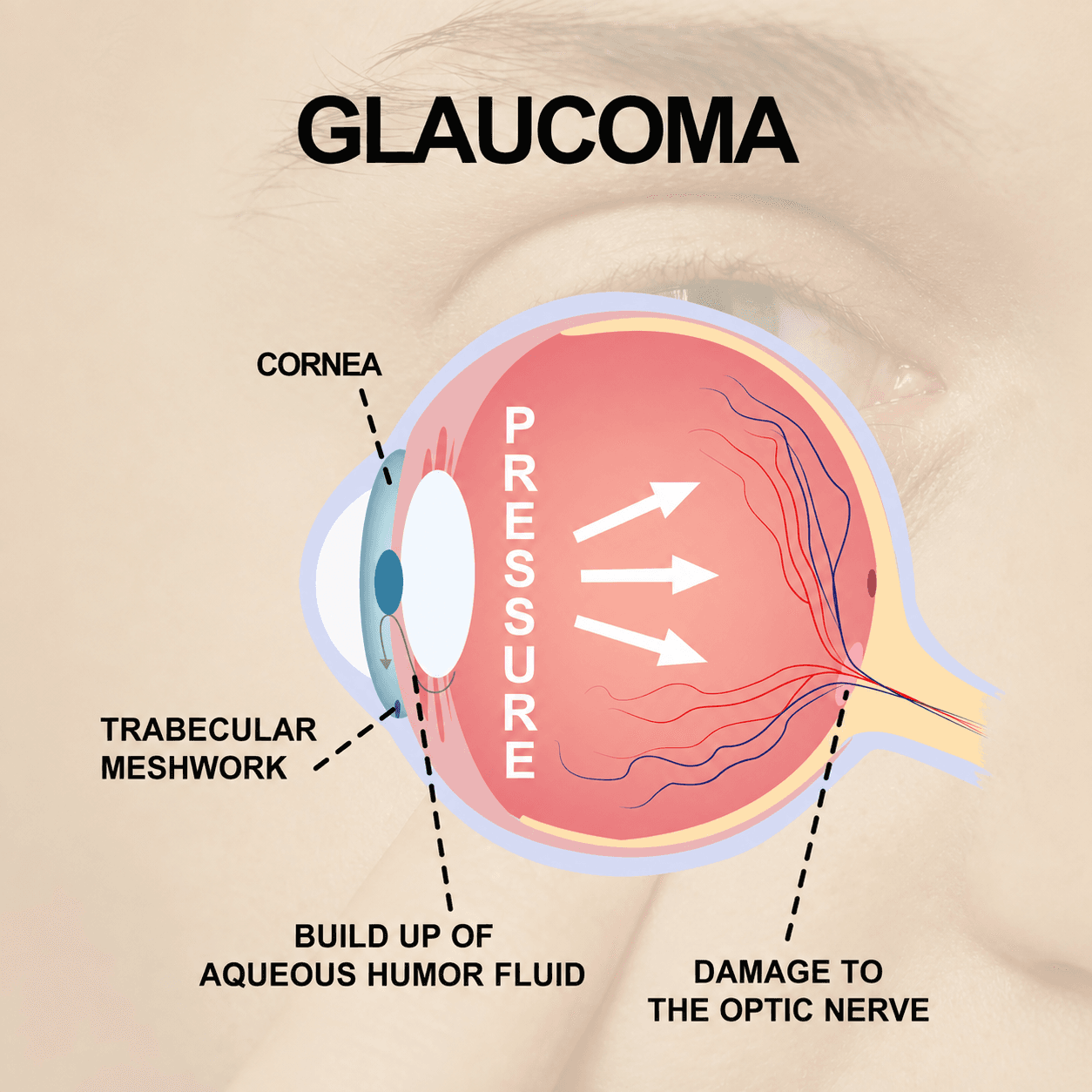
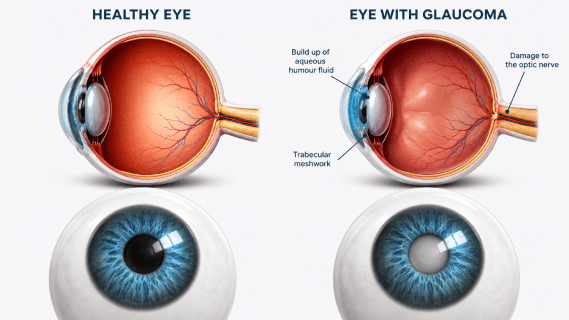
Glaucoma is a chronic condition in which the optic nerve, the crucial link between the eye and the brain that transmits visual signals, gradually deteriorates.
It arises mainly from intraocular pressure that builds up to a level the optic nerve cannot withstand. The deterioration that follows initially targets the peripheral field of vision. There are around 700,000 glaucoma patients in the United Kingdom, and half of these cases go unnoticed.
Why is Glaucoma a Concern?
One of the most challenging aspects of glaucoma is that the early stages usually cause no noticeable symptoms, so it is often only detected during a routine eye test. You should seek specialist advice straightaway if you notice:
Missing areas or patches in your peripheral (side) vision
Difficulty navigating in dim light or at night
Struggling with visual activities such as driving
Sudden, severe eye pain and redness (an eye emergency)
Blurred vision and halos appearing around lights
Nausea and vomiting accompanying sudden eye pain
These changes can appear gradually or, in the case of angle-closure glaucoma, very suddenly. Either way, prompt assessment by a specialist is important to protect your sight.
How Does Glaucoma Develop?
Glaucoma develops from a combination of factors. Raised intraocular pressure is the most important modifiable one, compressing the delicate optic nerve, but several other factors can increase your risk.
Raised Eye Pressure
The key modifiable factor, compressing the optic nerve.
Age 40 and Over
Risk climbs steadily from your forties onwards.
Family History
A close relative with glaucoma raises your risk.
High Myopia
Marked short-sightedness increases susceptibility.
Thin Corneas
Thinner corneas are linked to a higher risk.
Long-Term Steroid Use
Prolonged steroid eye drops can raise pressure.
Systemic Conditions
Certain medical conditions elsewhere in the body.
African-Caribbean Heritage
A higher risk of open-angle glaucoma.
Importantly, glaucoma can still develop even when eye pressure is normal. Raised pressure is a major risk factor, but not the only cause. An accurate diagnosis therefore relies on a combination of tests, not a single pressure reading.
Types of Glaucoma
Primary Open Angle Glaucoma
The most common form in the UK. The drainage angle of the eye appears open, but the fluid drainage system is less efficient. It usually causes no early symptoms, making regular check-ups vital.
Angle Closure Glaucoma
Occurs when the drainage angle suddenly becomes blocked. It can cause sudden severe eye pain, redness, blurred vision, and nausea. This is an eye condition that needs urgent medical attention.
Secondary Glaucoma
This type develops as a result of other underlying issues, such as separate eye conditions, inflammation, or the extended use of certain medications like steroids.
Developmental Glaucoma
A very rare form of the condition that is present from birth, requiring specialist paediatric intervention.
Glaucoma at a Glance
Condition Type
A group of eye diseases causing optic nerve damage
Who It Affects
Risk rises progressively from age 40 onwards
Common Symptoms
Asymptomatic early on; later, loss of peripheral vision, difficulty in dim light, and occasionally severe eye pain
Risk Factors
Raised eye pressure, family history, African-Caribbean heritage, high myopia, thin corneas, and steroid use
Associated Conditions
Systemic medical conditions and secondary eye diseases
Risk of Complications
Irreversible vision loss and permanent blindness if untreated
Complications of Untreated Glaucoma
When glaucoma is not properly assessed and managed, the optic nerve damage progresses silently and cannot be undone. Potential complications include:
Irreversible Vision Loss
Because the optic nerve cannot repair itself, any vision lost to glaucoma is permanent.
Loss of Peripheral Sight
Untreated glaucoma gradually destroys your side vision, leaving patches of missing sight and eventually leading to tunnel vision.
Loss of Independence
As the visual field narrows, daily activities such as driving, navigating at night, or reading become increasingly difficult.
Total Blindness
If entirely ignored, the condition progresses until the entire visual field is lost.
Glaucoma Consultation Process
We follow a calm, structured approach so you feel informed and supported at every step.
Initial Phone Assessment
When you ring us, we discuss your symptoms, family history, and any concerns you may have to decide whether a clinical assessment is the best next step.
Clinical Consultation
You will see an ophthalmologist specialising in glaucoma, who will examine your eyes carefully and assess the health of your optic nerve.
Diagnostic Testing
We use a suite of advanced tests. Tonometry measures your eye pressure, while Optical Coherence Tomography (OCT) precisely measures the thickness of your retinal nerve fibre layer to detect early structural damage. We also carry out visual field testing to map your central and peripheral vision.
Diagnosis & Treatment Plan
Your specialist bases your diagnosis on a combination of functional and structural findings, not solely on an eye pressure reading. We provide a personalised regimen to reduce your intraocular pressure, which may include SLT laser treatment, medications, or surgery.
Follow-Up Care
Following treatment, we carefully assess your eyes to ensure the pressure has dropped to a level that is safe for your optic nerve.
Long-Term Monitoring
Because glaucoma is a lifelong condition, we provide ongoing monitoring with regular visual field testing and OCT scans to ensure no further damage occurs over time.
Read About Our Happy Patients
What a great experience! Very reassuring and I am very grateful for the consultation from Dr Musa he was so helpful in helping me make a decision to proceed to having eye correction surgery. I have the upmost confidence in him and the team at the Eye Doctor Clinic, Huddersfield.
Lozza 747I had implants with Dr Musa ten years ago. It was the best thing I've ever done. They are brilliant. My sight both near and distant was very poor but since the op I've had no glasses no lenses and my sight has been super. It remains really good to this day. Thank you Dr Musa. Brilliant consultations and treatment for glaucoma since.
Kay FitbitI can highly recommend the Eye Doctor Clinic, and I am so pleased I went there. Dr Musa, Gemma and Jess are lovely. They are very knowledgeable and were able to answer all my questions. My vision following surgery is great, and not having to wear glasses is fantastic.
Carol PeelFAQs
In its early stages, open-angle glaucoma typically causes no symptoms at all. Optometrists most often detect it during routine eye tests.
Diagnosis requires several complementary tests, including tonometry to measure eye pressure, visual field mapping, and OCT scans to check the thickness of the retinal nerve fibre layer.
Yes. Although doctors cannot reverse the damage, they can effectively manage glaucoma with treatments that lower eye pressure, including SLT laser therapy, eye drops, and surgical procedures such as trabeculectomy.
You should book an assessment if an optometrist has noted elevated intraocular pressure or suspicious changes in your optic nerve, or if you have a family history of the disease.
Yes, having a first-degree relative with glaucoma makes you more susceptible to developing the disease.
Meet the Team






Where to Find Us
Three convenient locations across West Yorkshire. Visit us for consultations, diagnostics, and treatments.
Bolton
136 – 140 Newport St
Bolton, Greater Manchester
BL3 6AB
Huddersfield
Woodlands, 4 Longbow Close
Huddersfield, HD2 1GQ
Protect Your Sight from Glaucoma
If you have raised eye pressure, a family history of glaucoma, or a change flagged at a routine eye test, an early specialist assessment at The Eye Doctor Clinic is the best way to protect your long-term vision.